In the shadow of the boarder - Dajabón & Puerto Plata, Dominican Republic
Published in WOZ, September 2025 (german)
PDF from Print
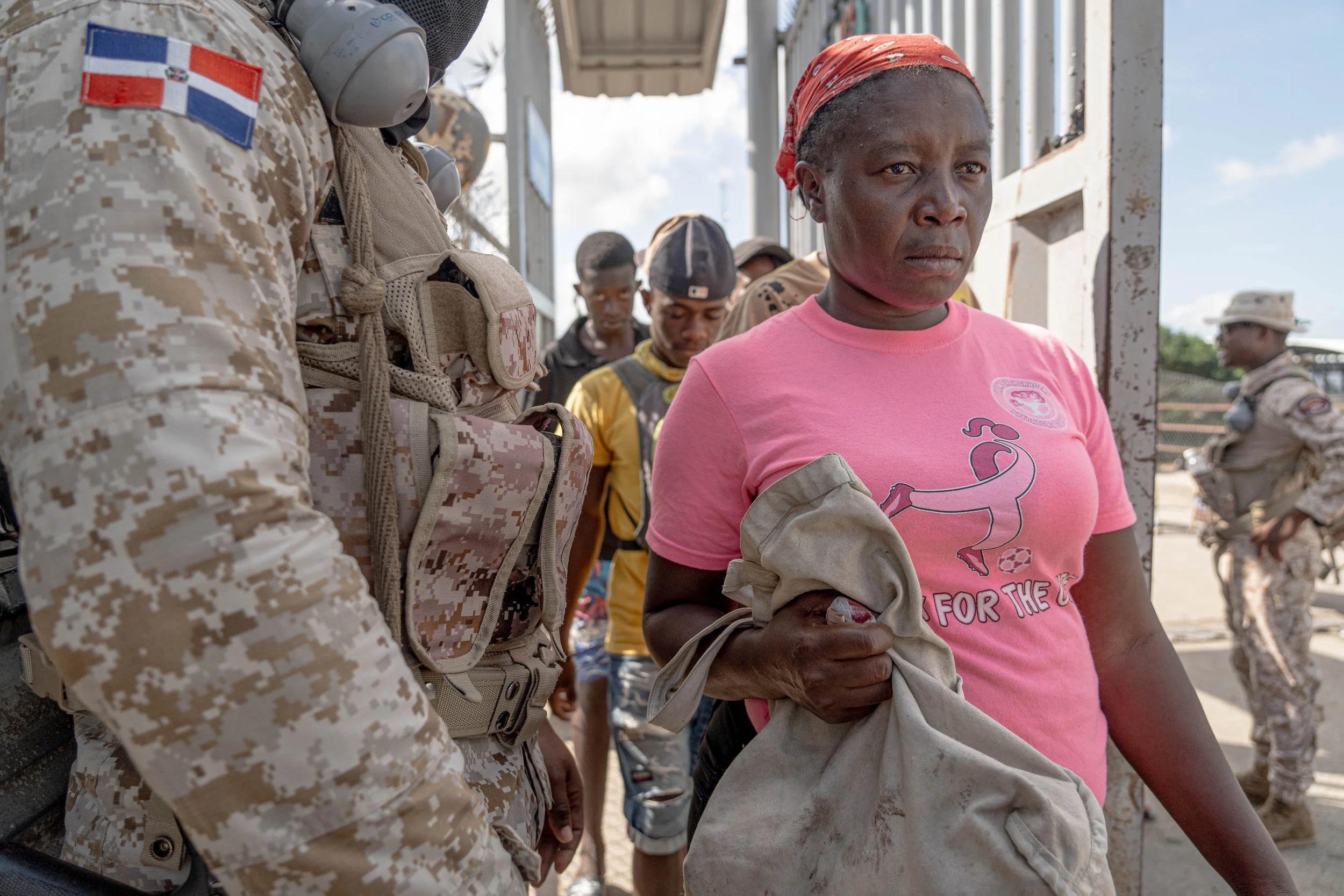
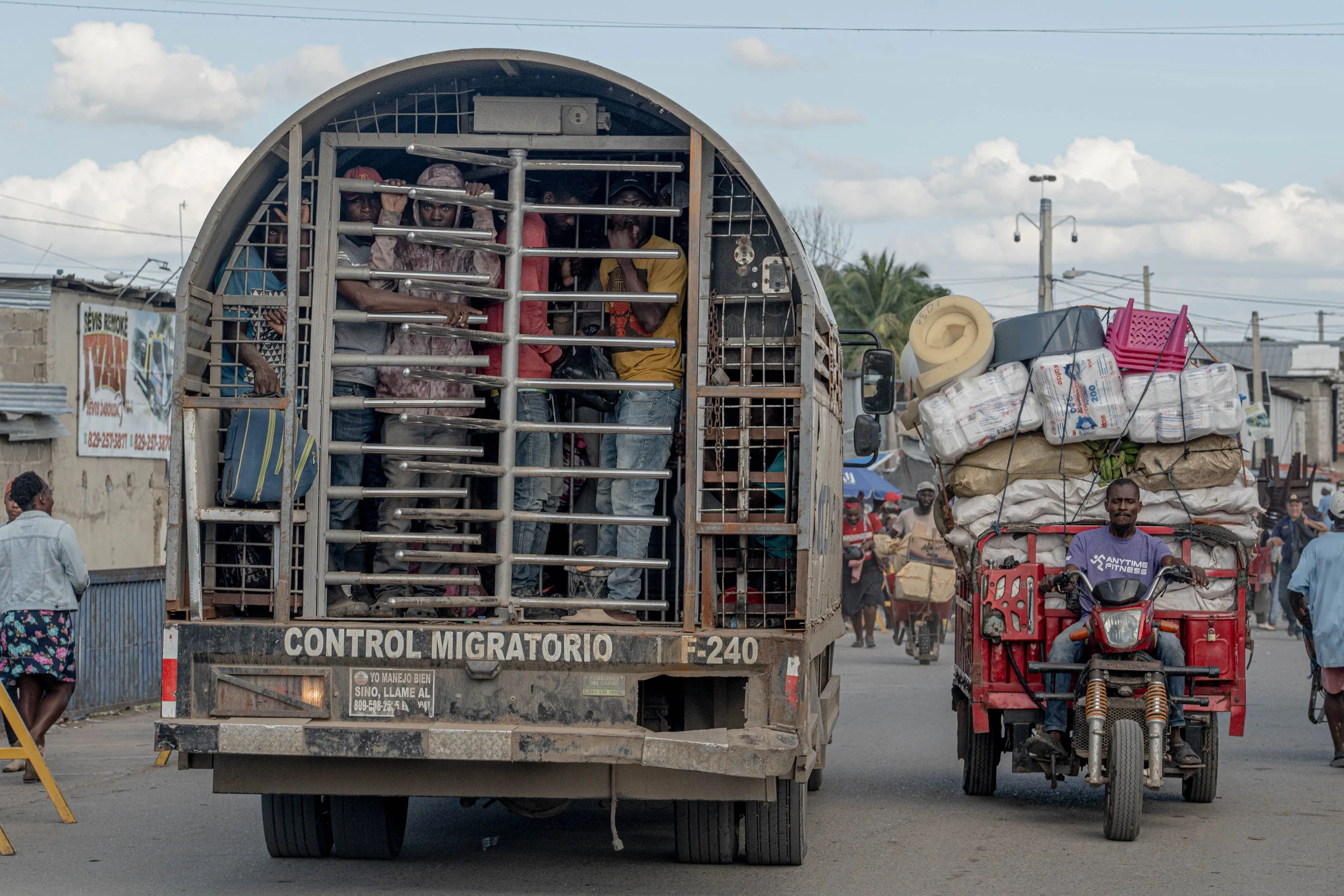
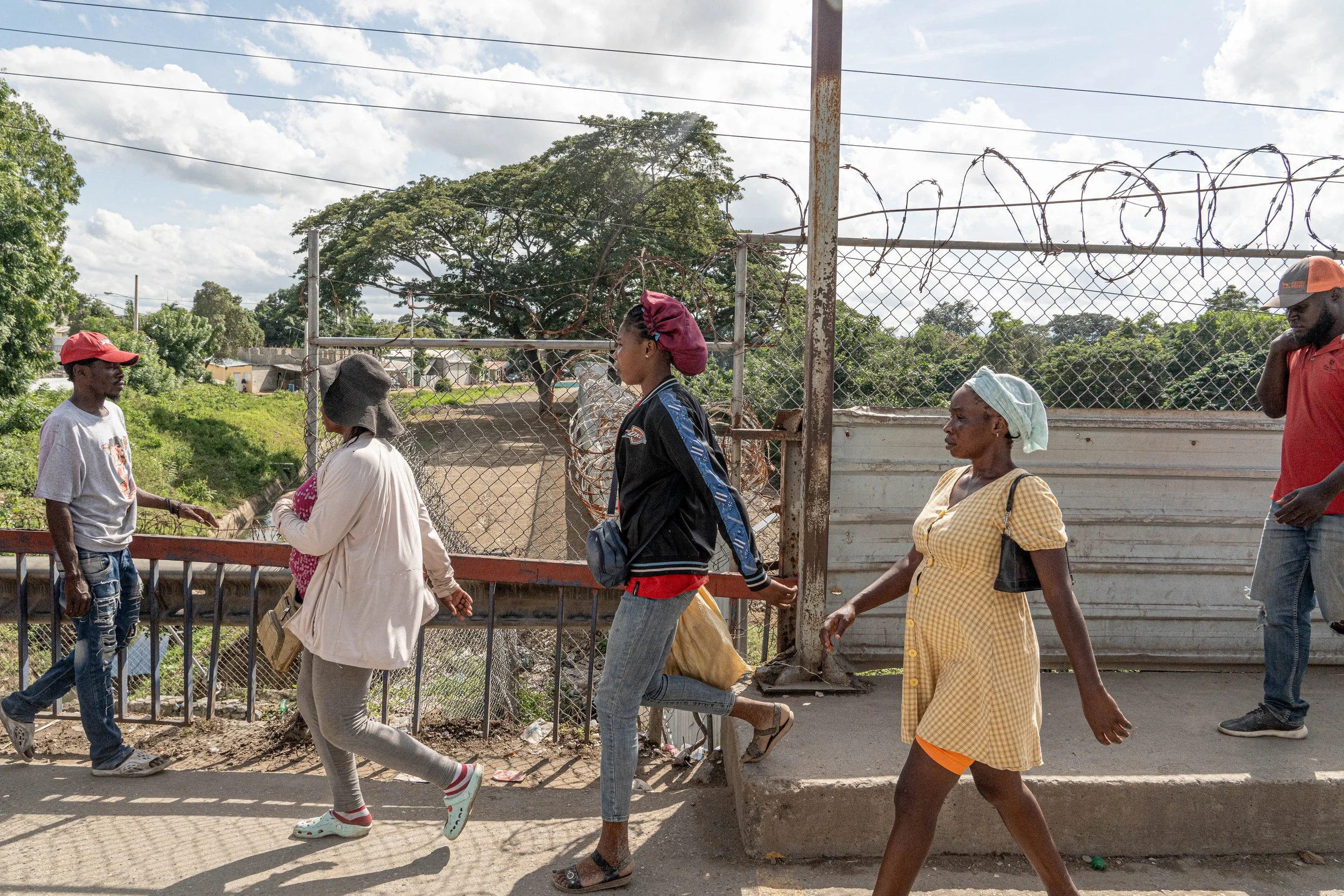
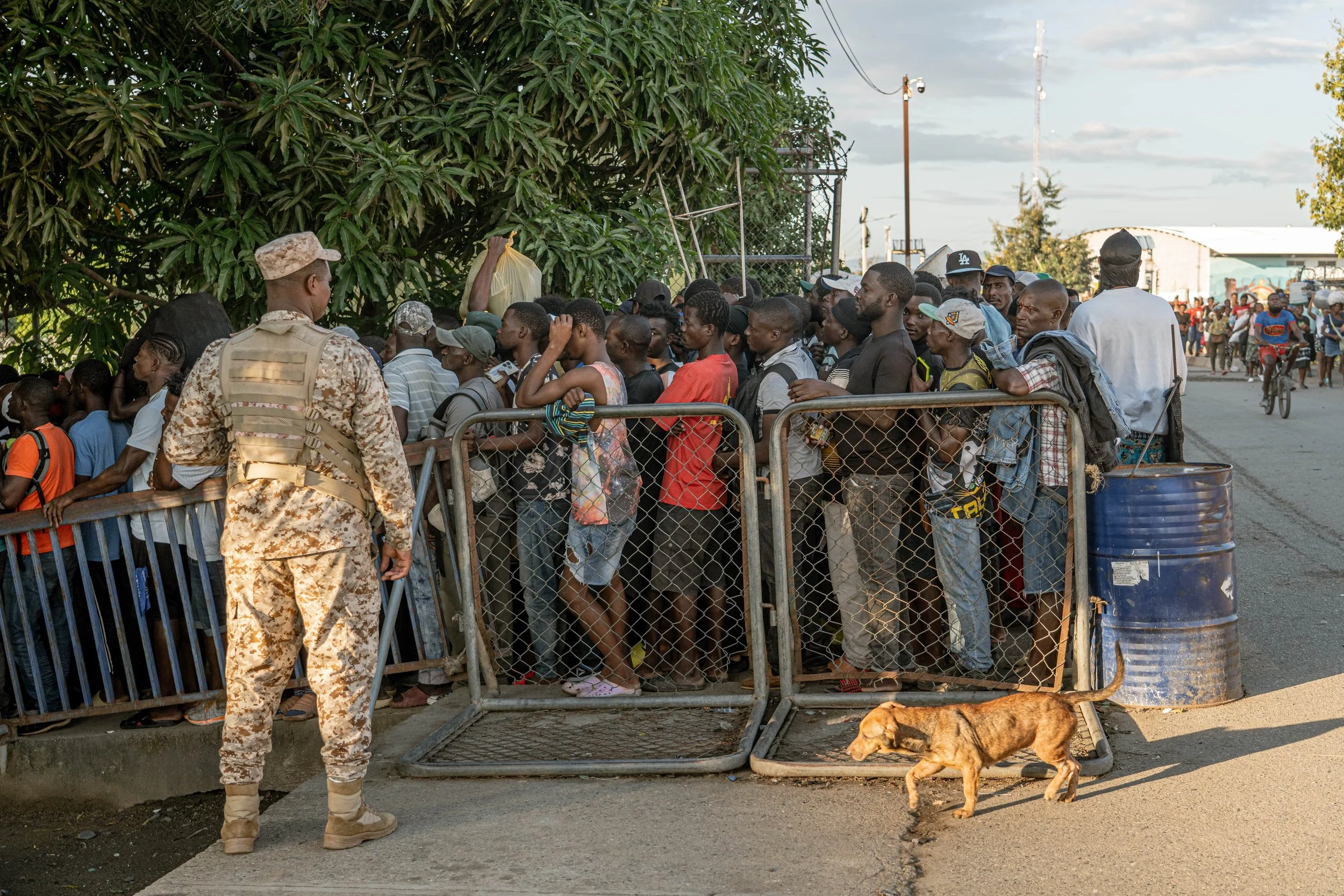
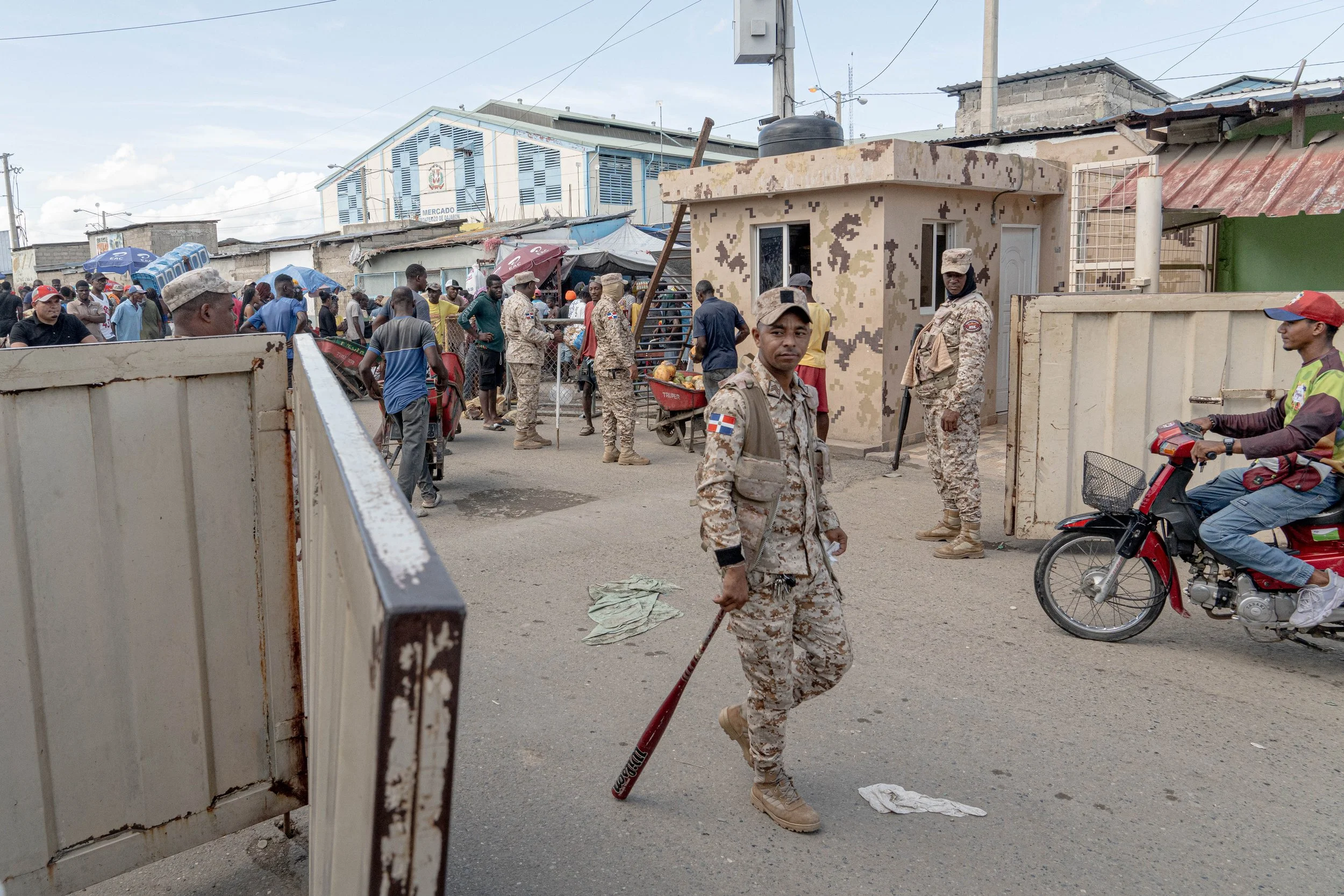
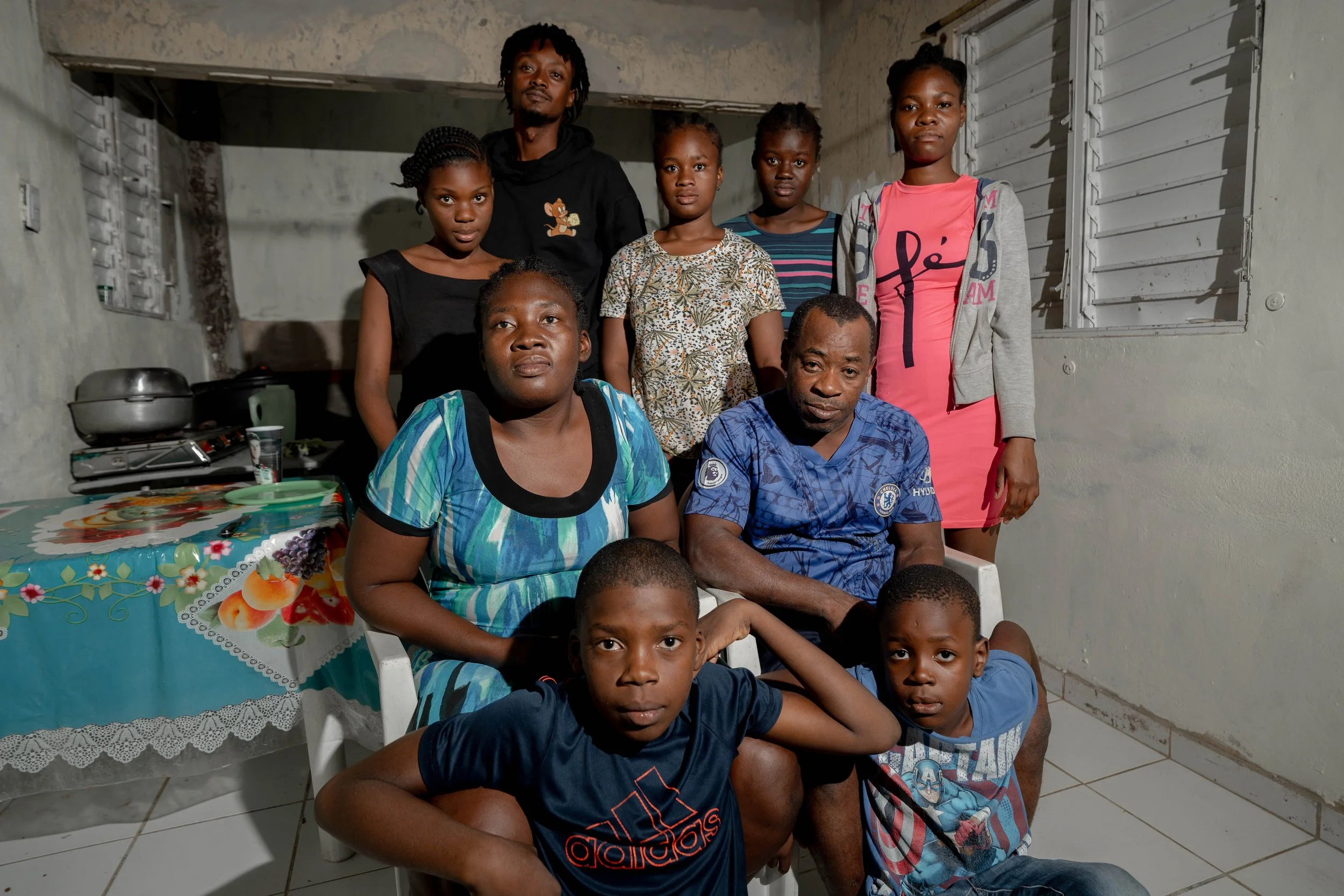
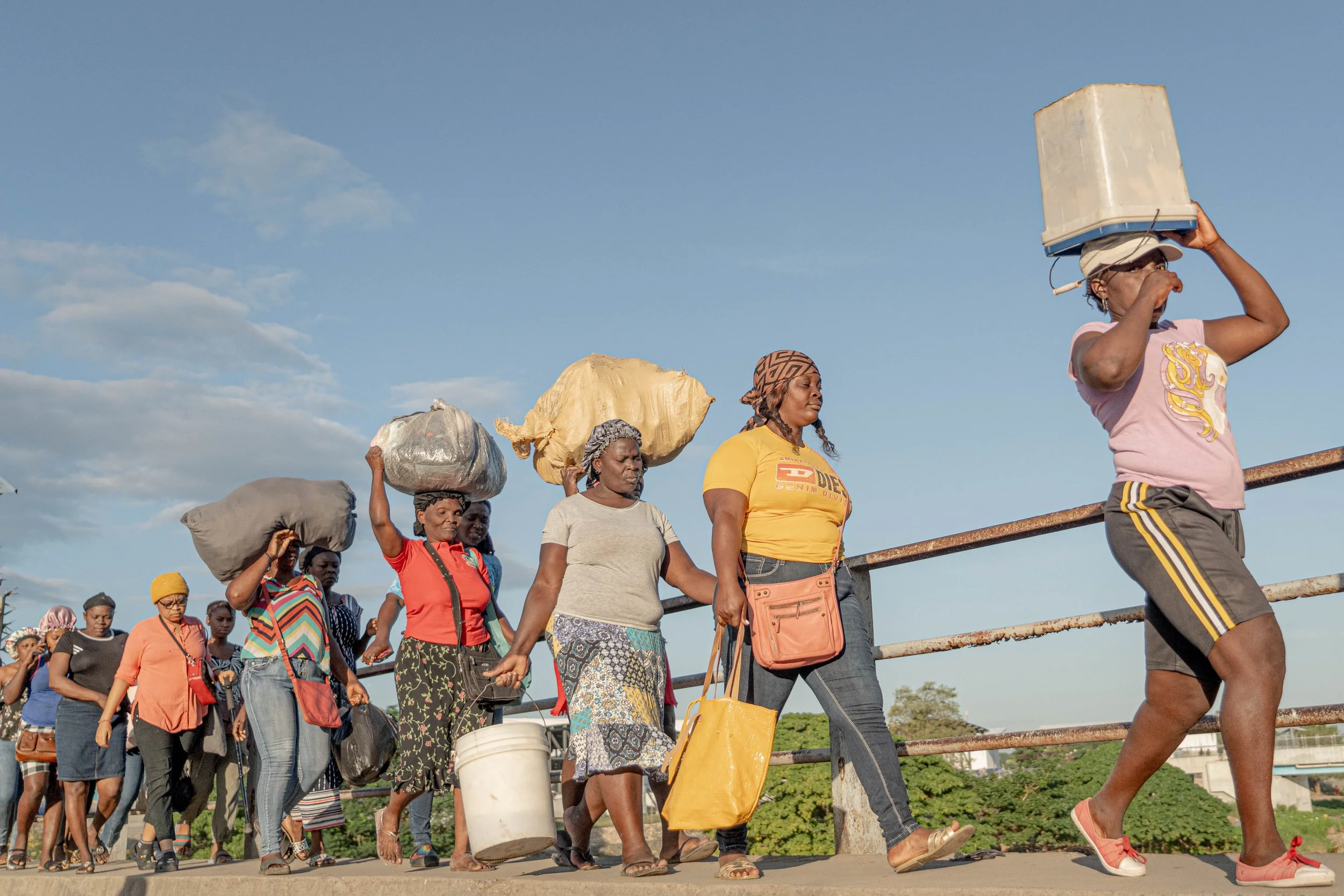
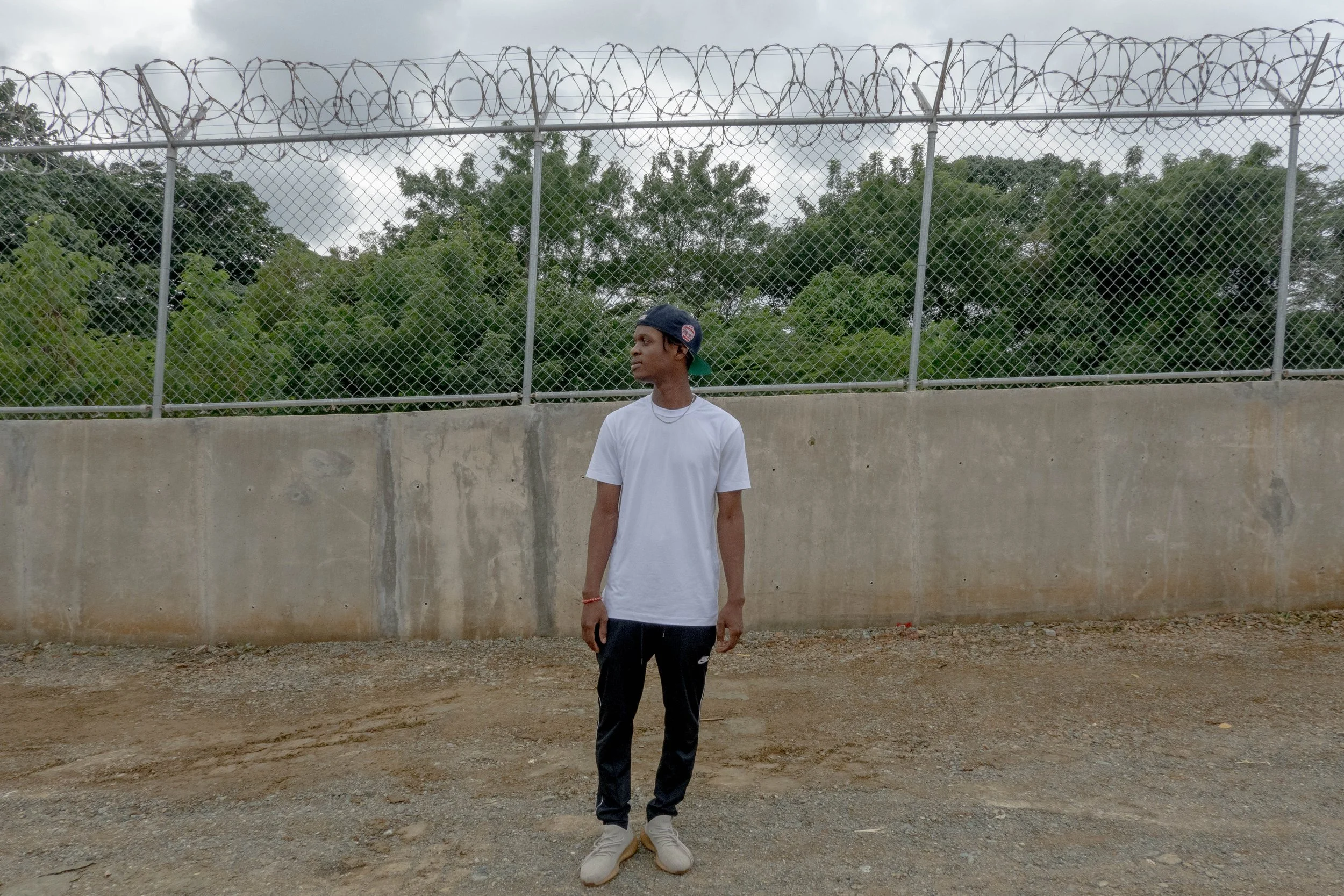
Hundreds of thousands of Haitians live in the Dominican Republic without valid documentation. Since President Luis Abinader took office, deportations have increased. Many migrants describe living with uncertainty as immigration controls have tightened. Their situation is rooted in a complex history of migration and relations between Haiti and the Dominican Republic.

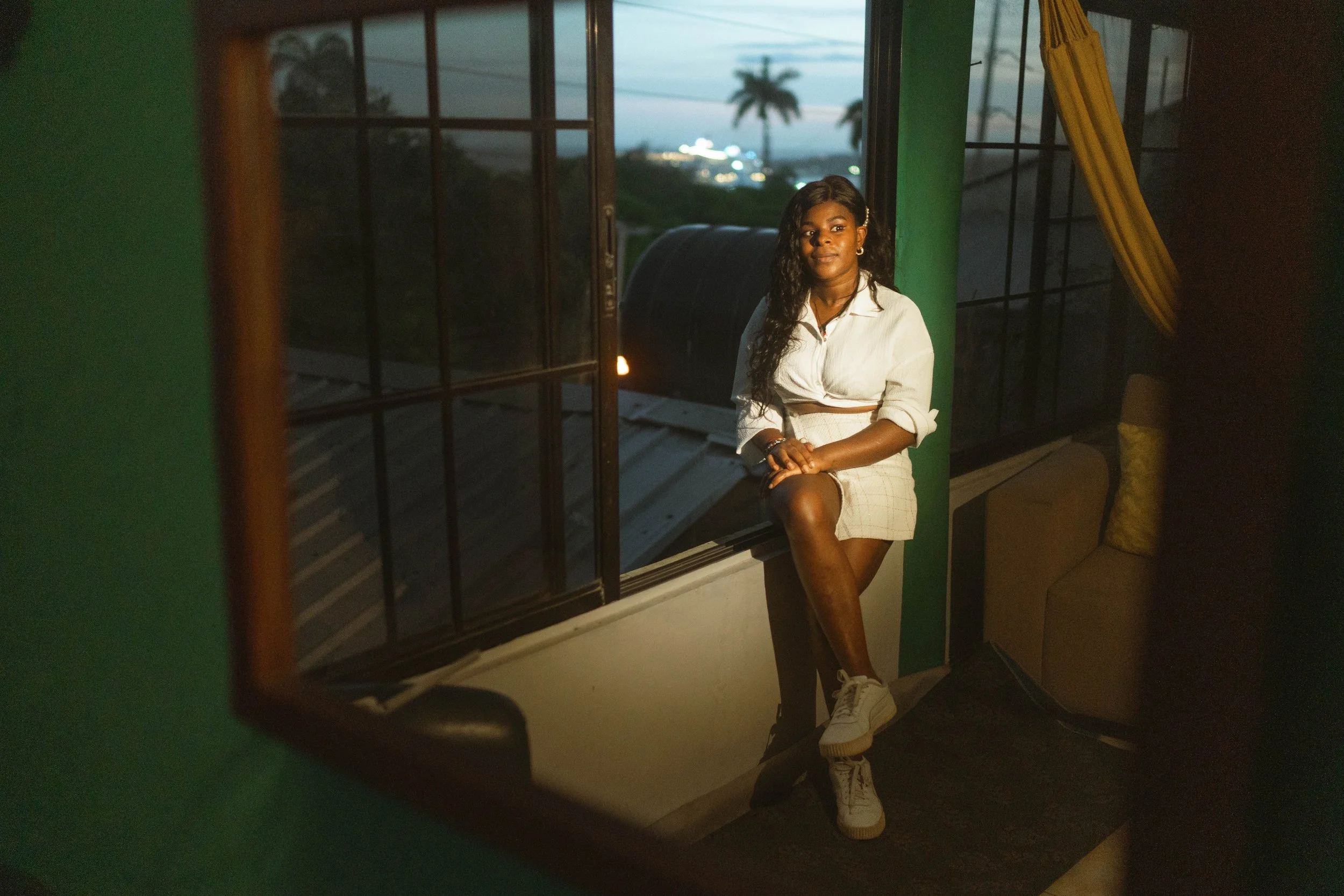
El Salvador’s State of Exception: Thousands of Innocents imprisoned
Published in SonntagsBlick, July 2025
PDF from print
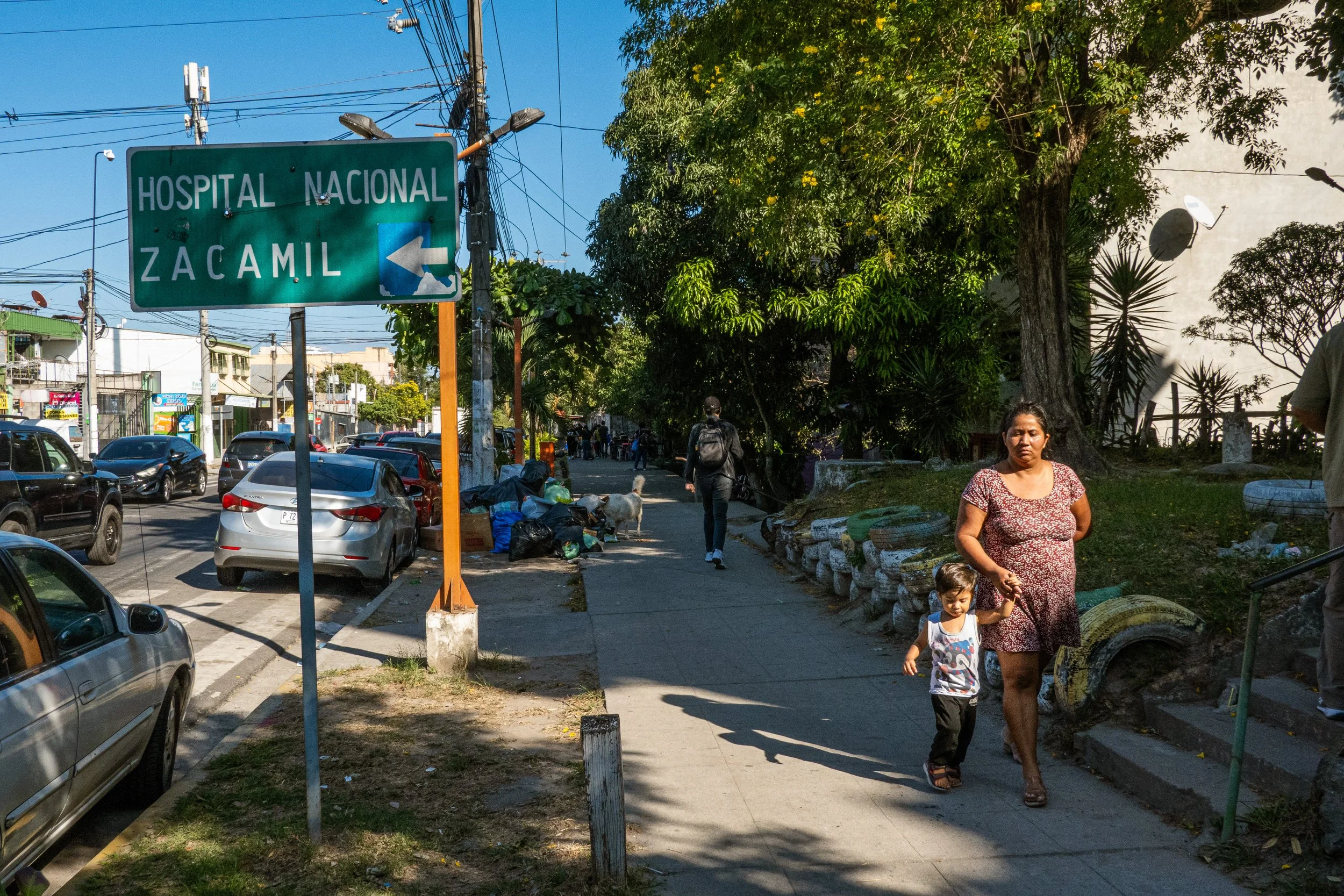
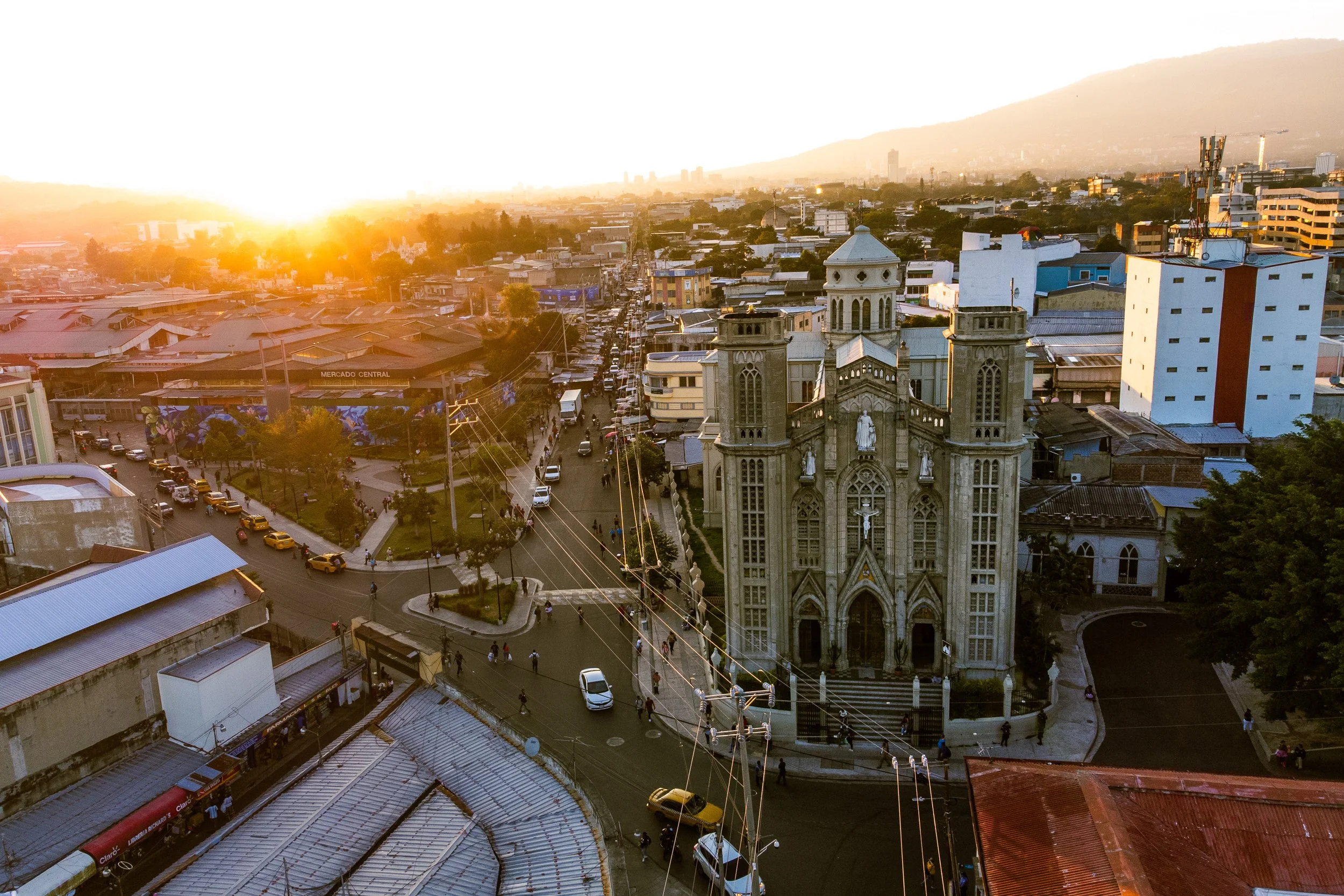
Since 2022, President Nayib Bukele has waged a war on gangs – and filled the country’s prisons with more than 85,000 people. Many were arrested without charges, some on the basis of anonymous tips or a tattoo. Among them: Uber drivers, students, street vendors. This report follows the families left behind – mothers like Sandra, who hasn’t heard from her son in over two years, and teachers like Mario, who believed in Bukele until the regime came for his own children. They speak of lost sons, false accusations, and prison cells packed with 300 men. While murals cover the scars of the past and murder rates drop, thousands of innocent people remain locked away – their names unheard, their fates uncertain.



Revealing the Truth
Published in Surprise Magazin, August 2025
PDF from Print
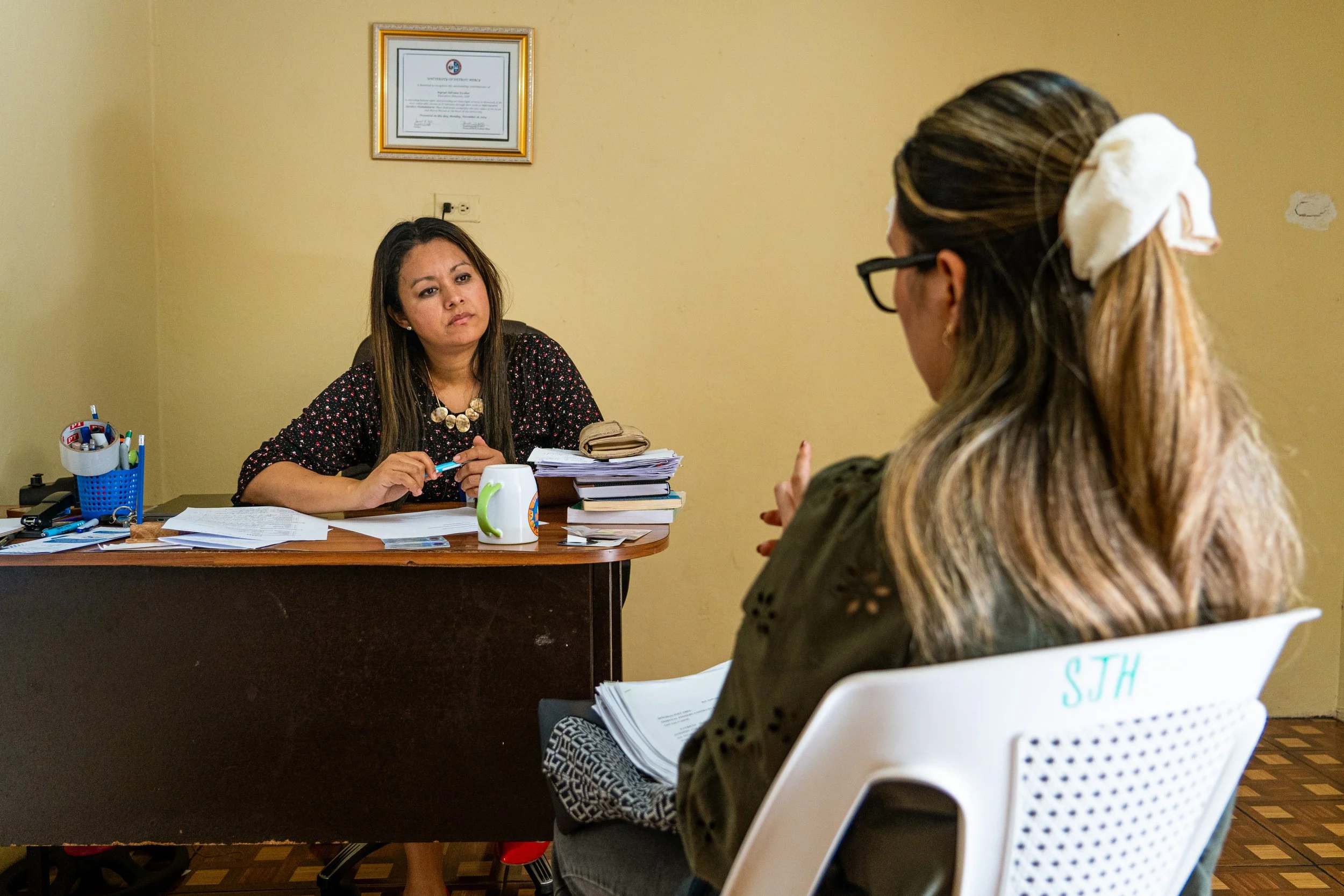
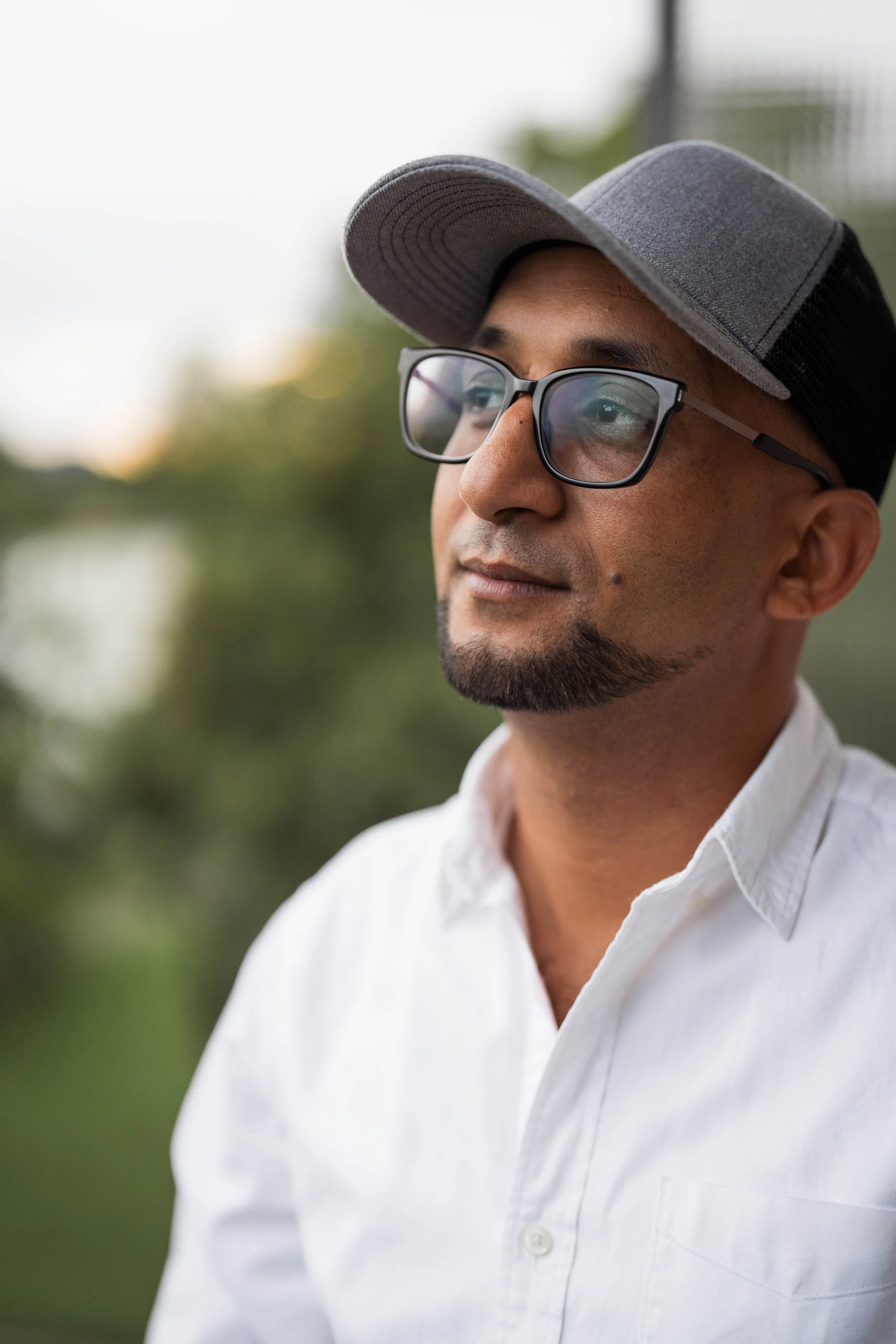
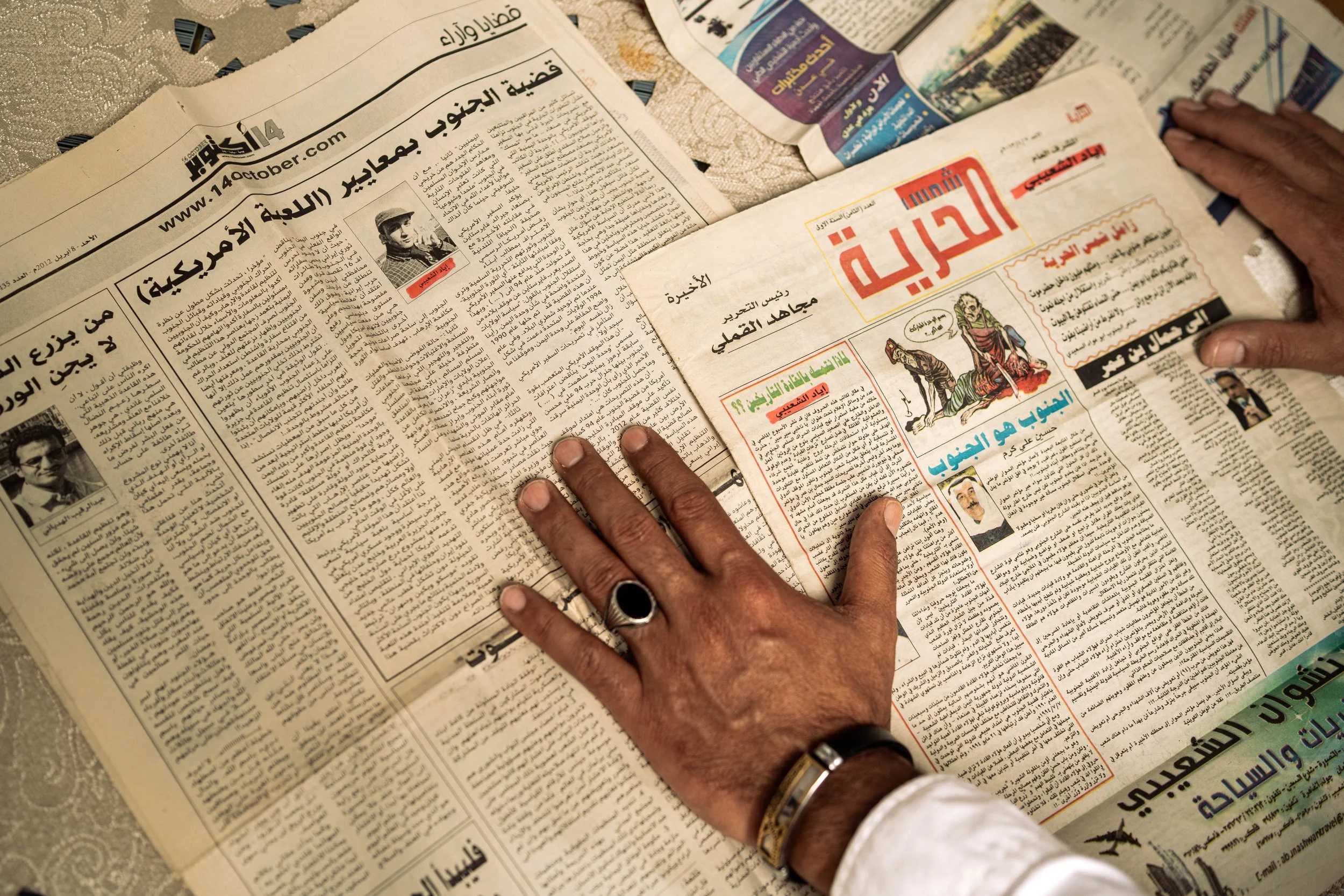
Ayad Qassem, originally from South Yemen, worked as a journalist to expose problems and share his region’s perspective, until he had to flee. Today, he lives in Winterthur, where he has founded his own media platform and continues to give a voice to the people of his country.




Honduras’ Garifuna Fight to Keep Their Culture Alive
Published in Diario La Prensa, December 2025
PDF from Print
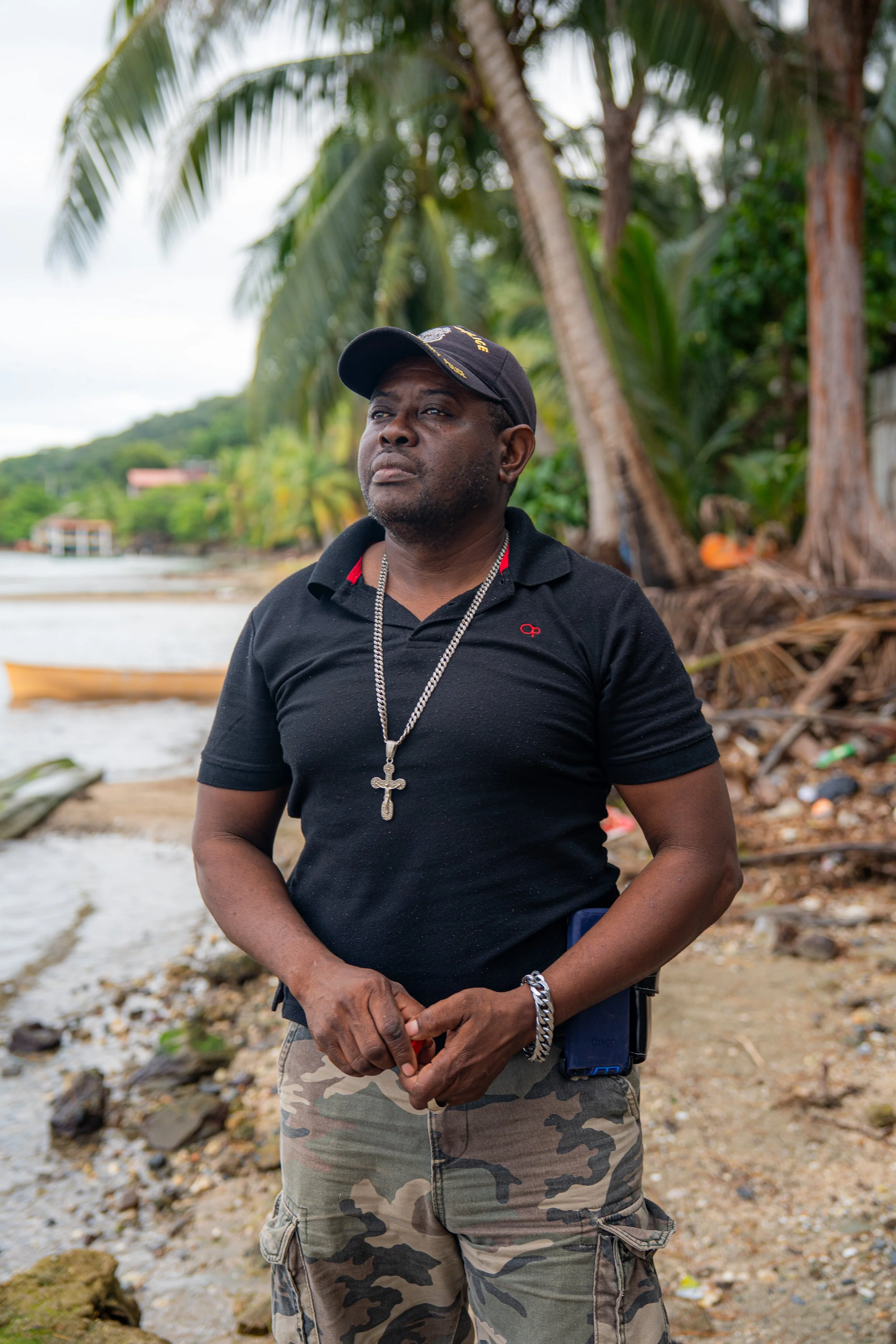
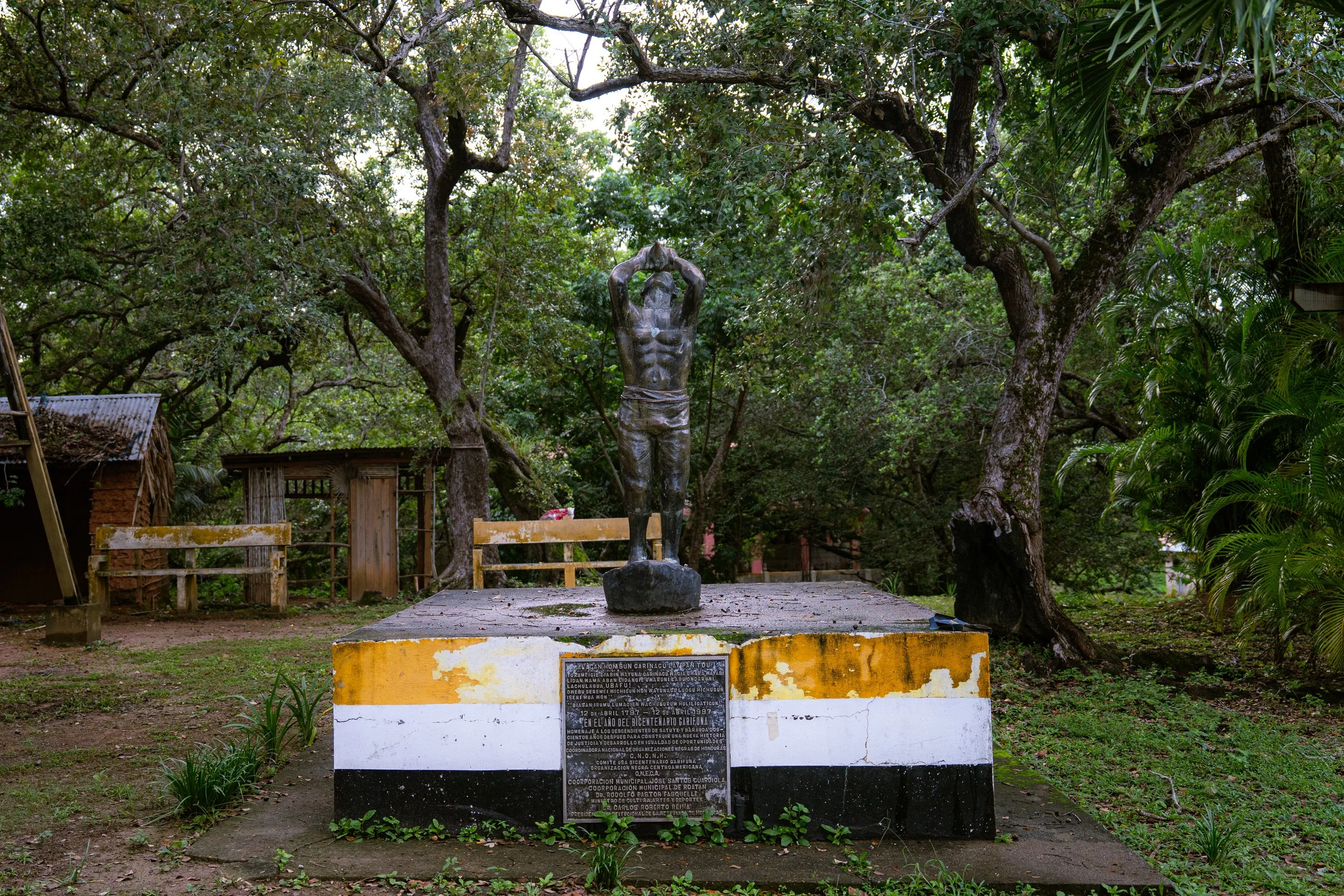
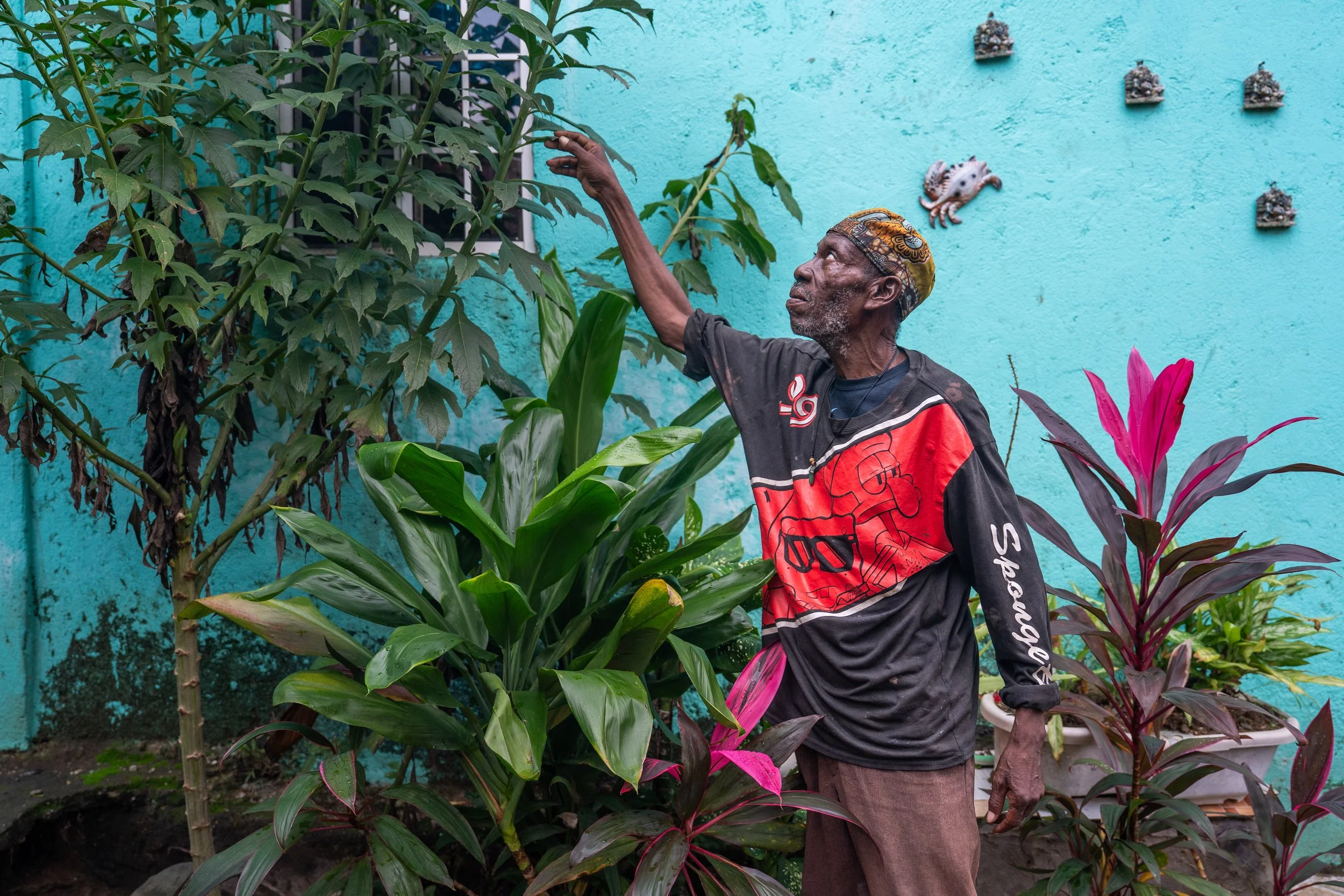
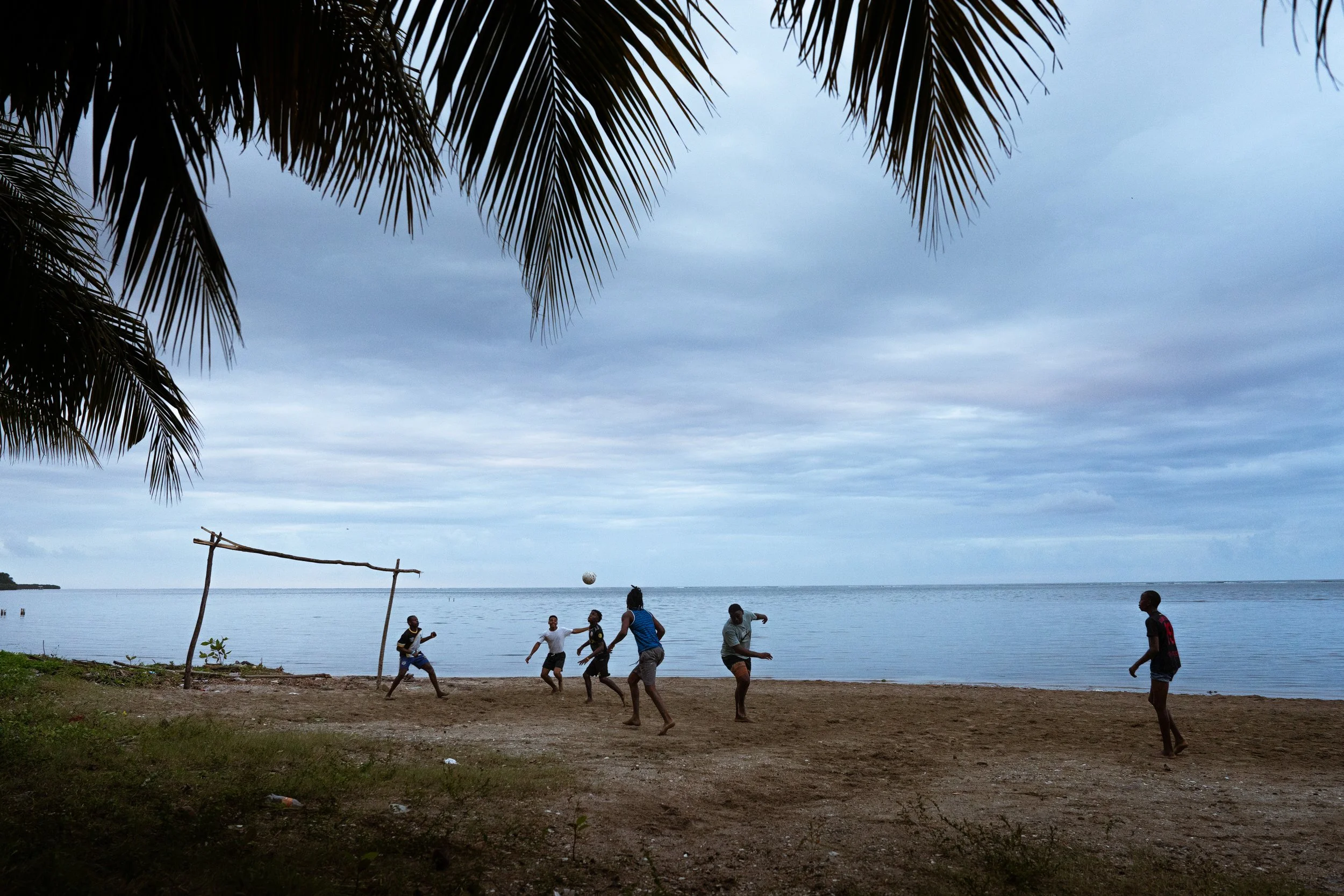
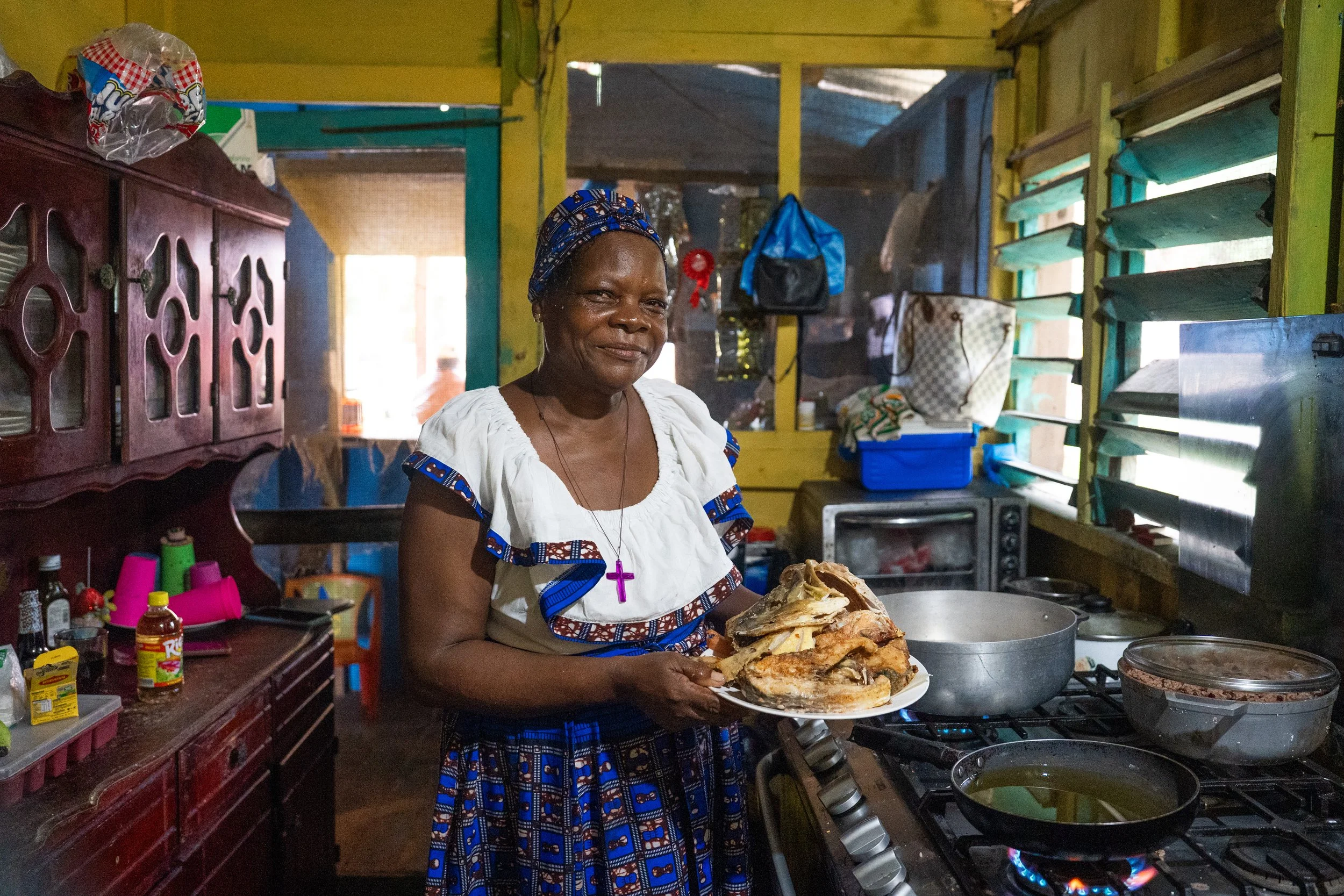
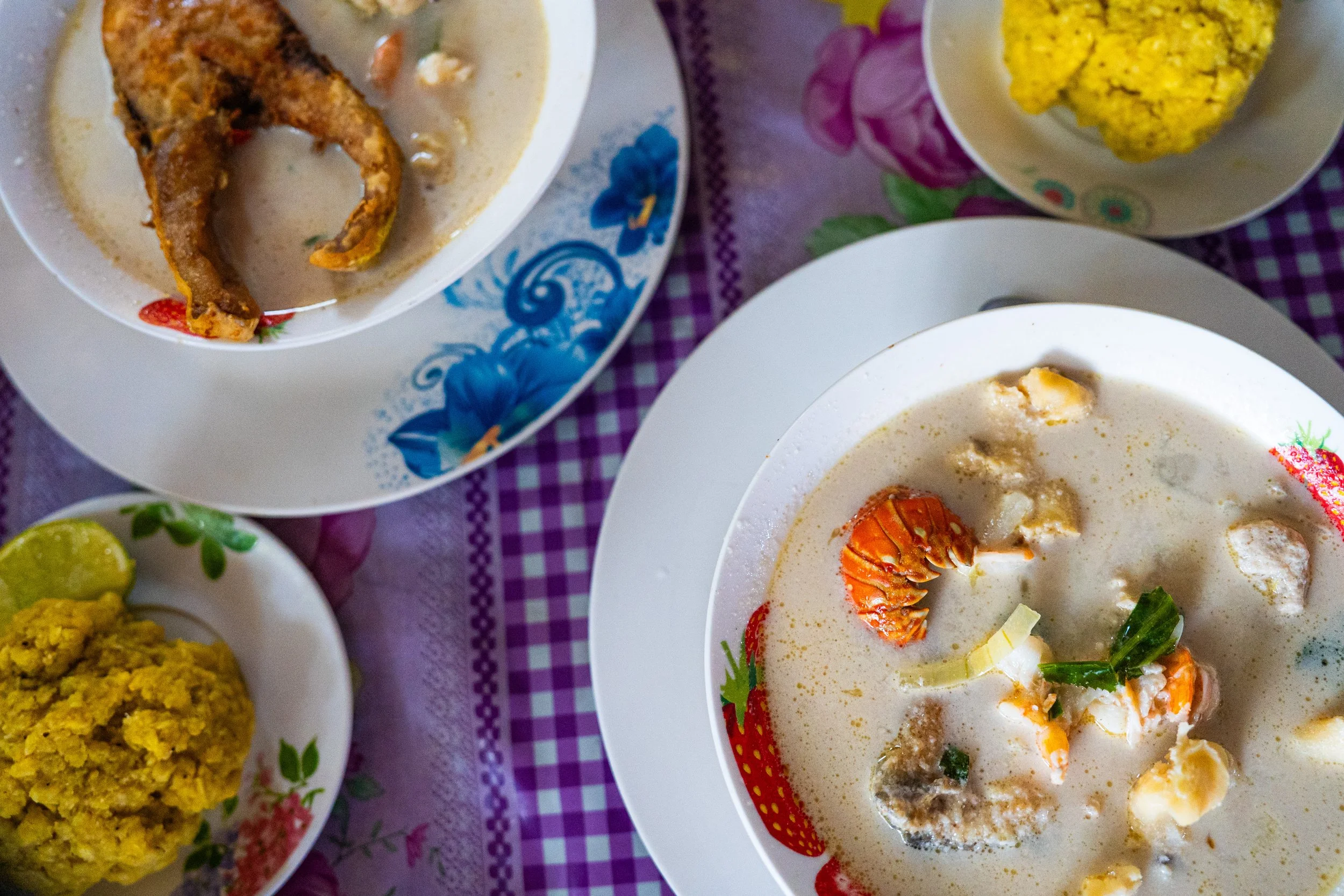
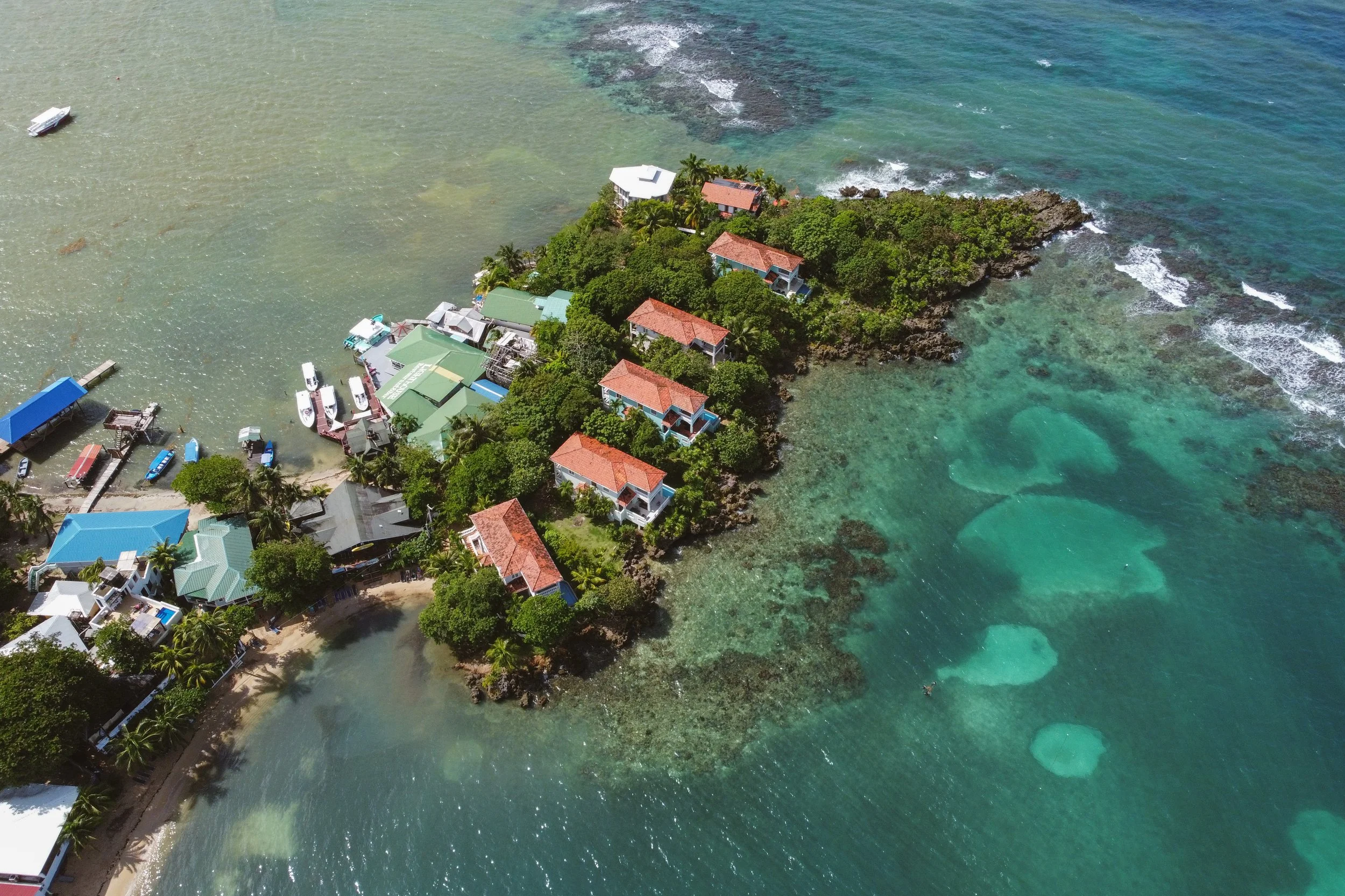
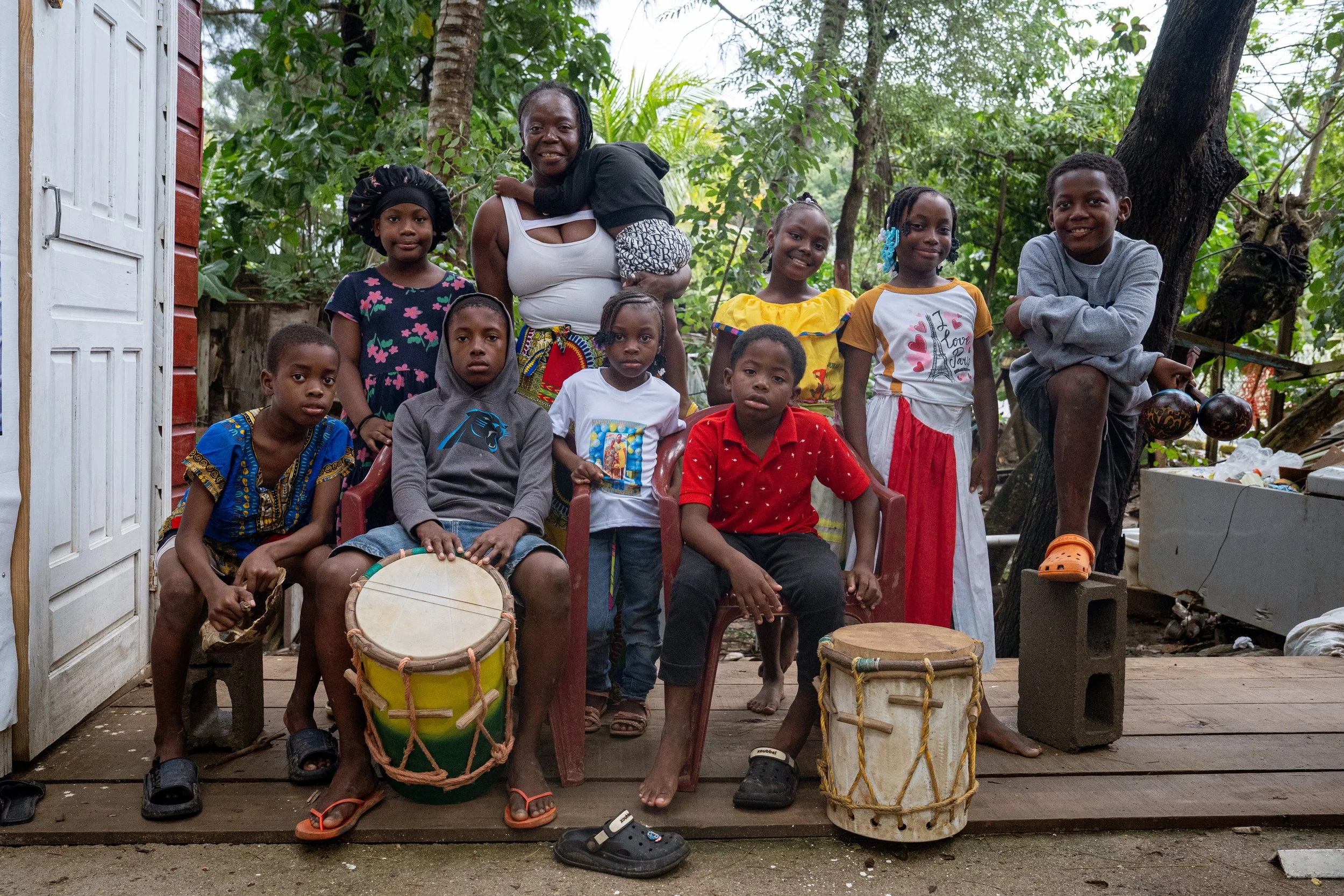
The article portrays the Garifuna community in Punta Gorda, Roatán, who fear the loss of their culture, language, and traditions. Residents describe environmental damage, polluted coastal waters, land pressure from tourism projects, and a state that collects taxes but fails to invest in infrastructure. Fishermen report declining catches, while community leaders speak of threats, intimidation, and attempts to push them away from the coast. At the same time, cultural figures such as historians, dance teachers, and cooks work to preserve Garifuna identity through language, music, rituals, and traditional food. The text combines everyday life, history, and present struggles to show a community fighting to ensure its culture survives.
The Pineapple King of Monte Plata
Published in the Swiss magazine Schweizer Illustrierte in January 2025.
PDF from print
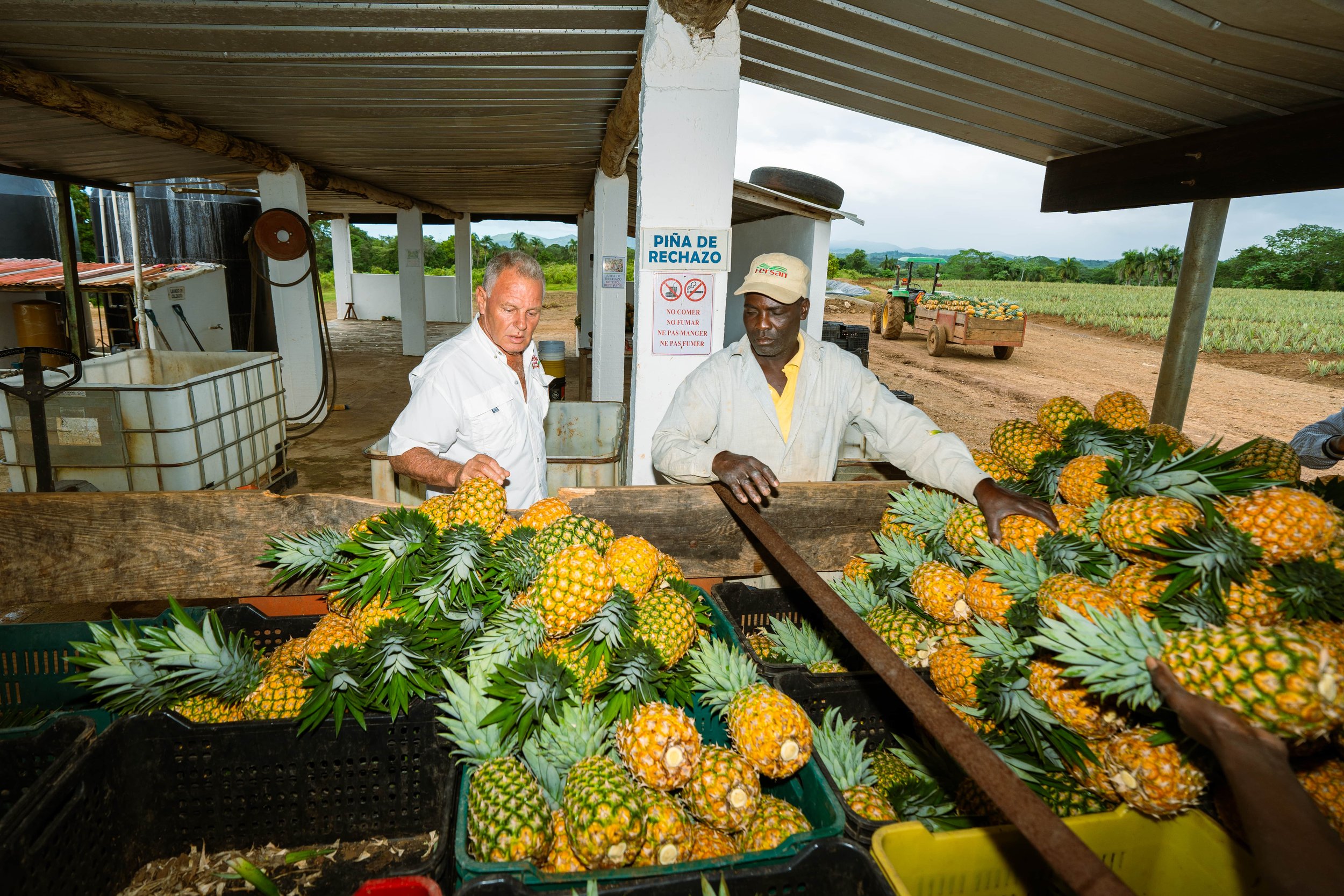
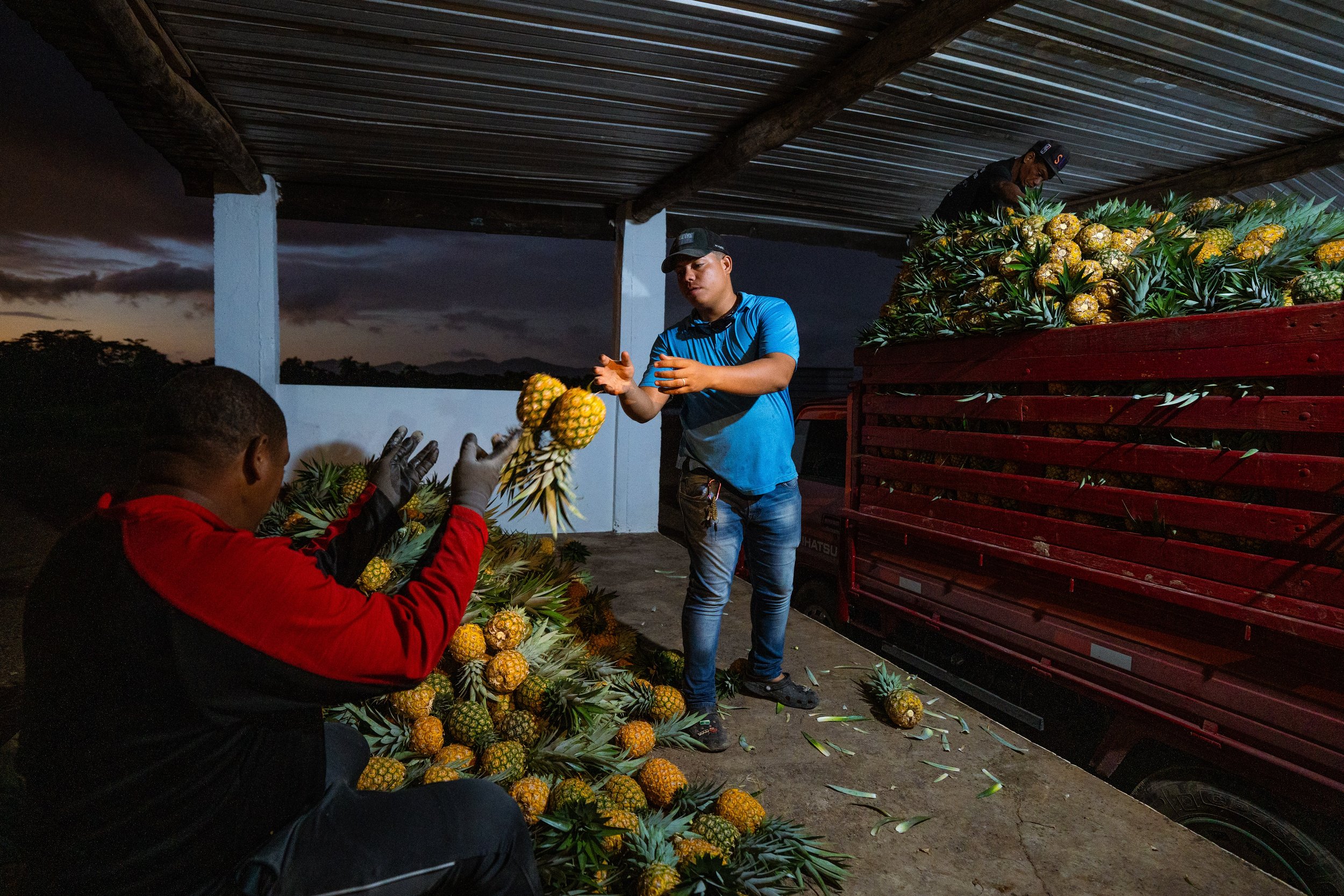
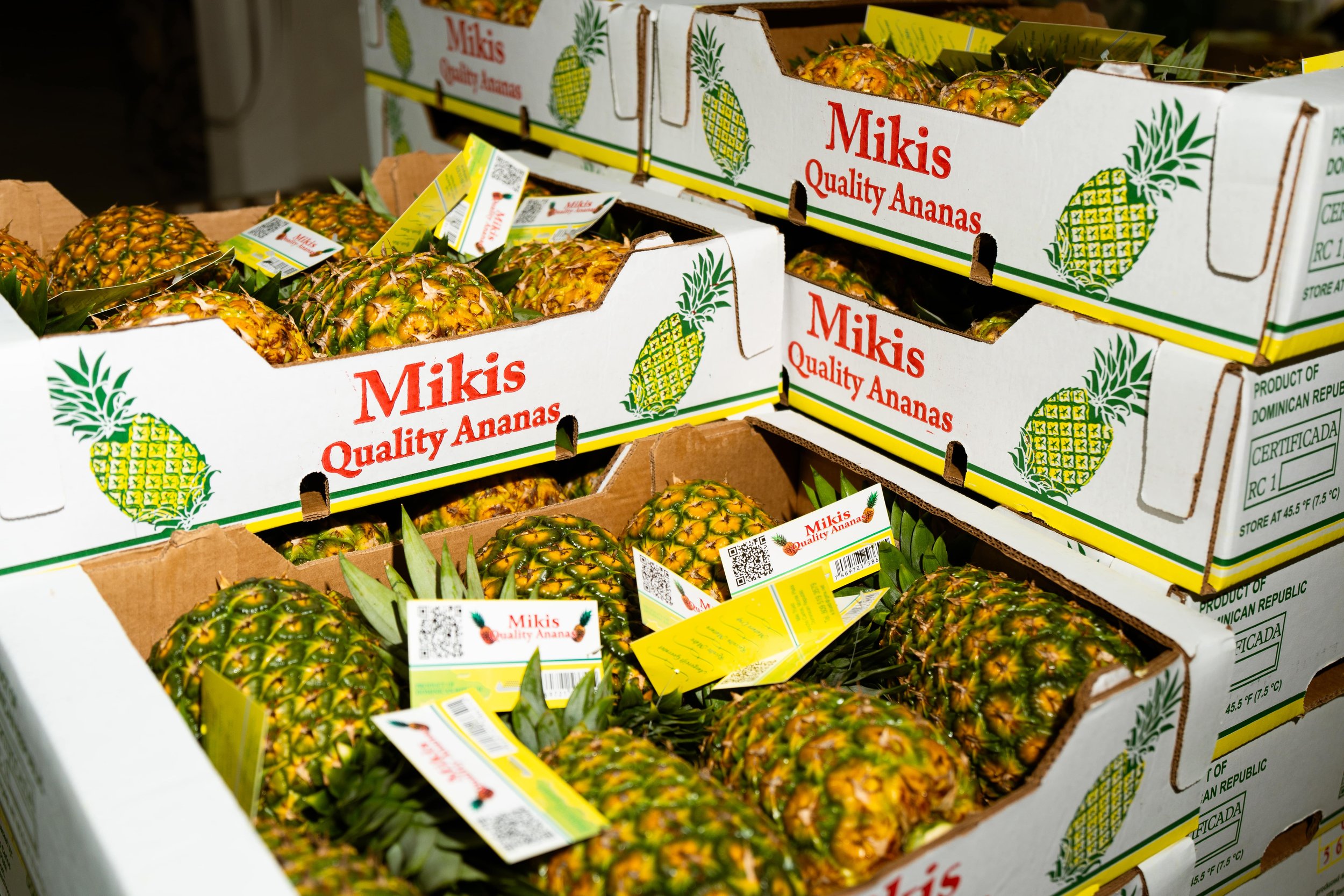
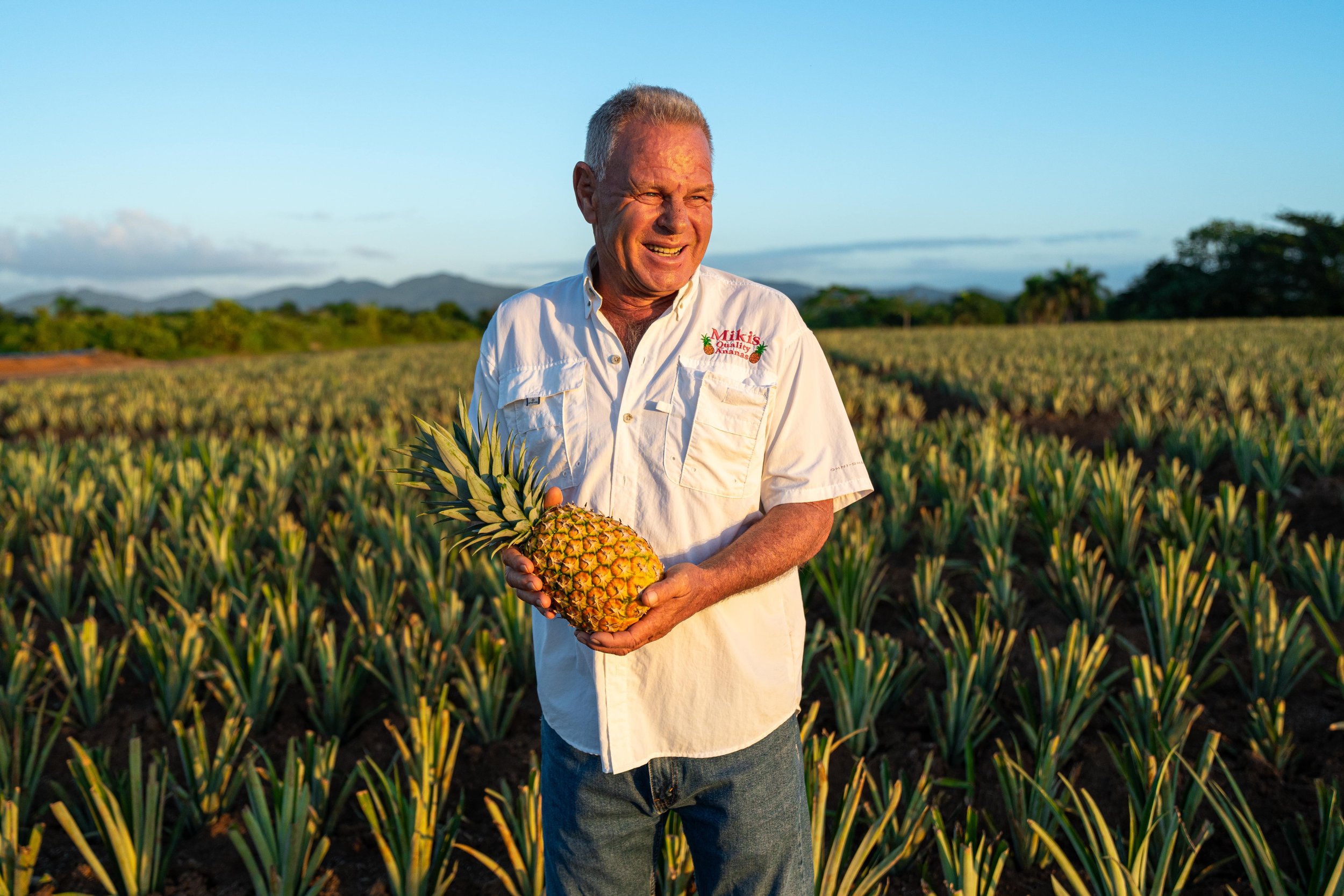
Once a vegetable farmer in Oberhasli, Zurich, Emil Trüeb is now one of the most successful pineapple exporters in the Dominican Republic. His harvest—golden yellow and perfectly ripened—is shipped to numerous countries, including Switzerland.


Ignored Cries for Help
Published in the magazine of Amnesty Switzerland, March 2025
PDF from print
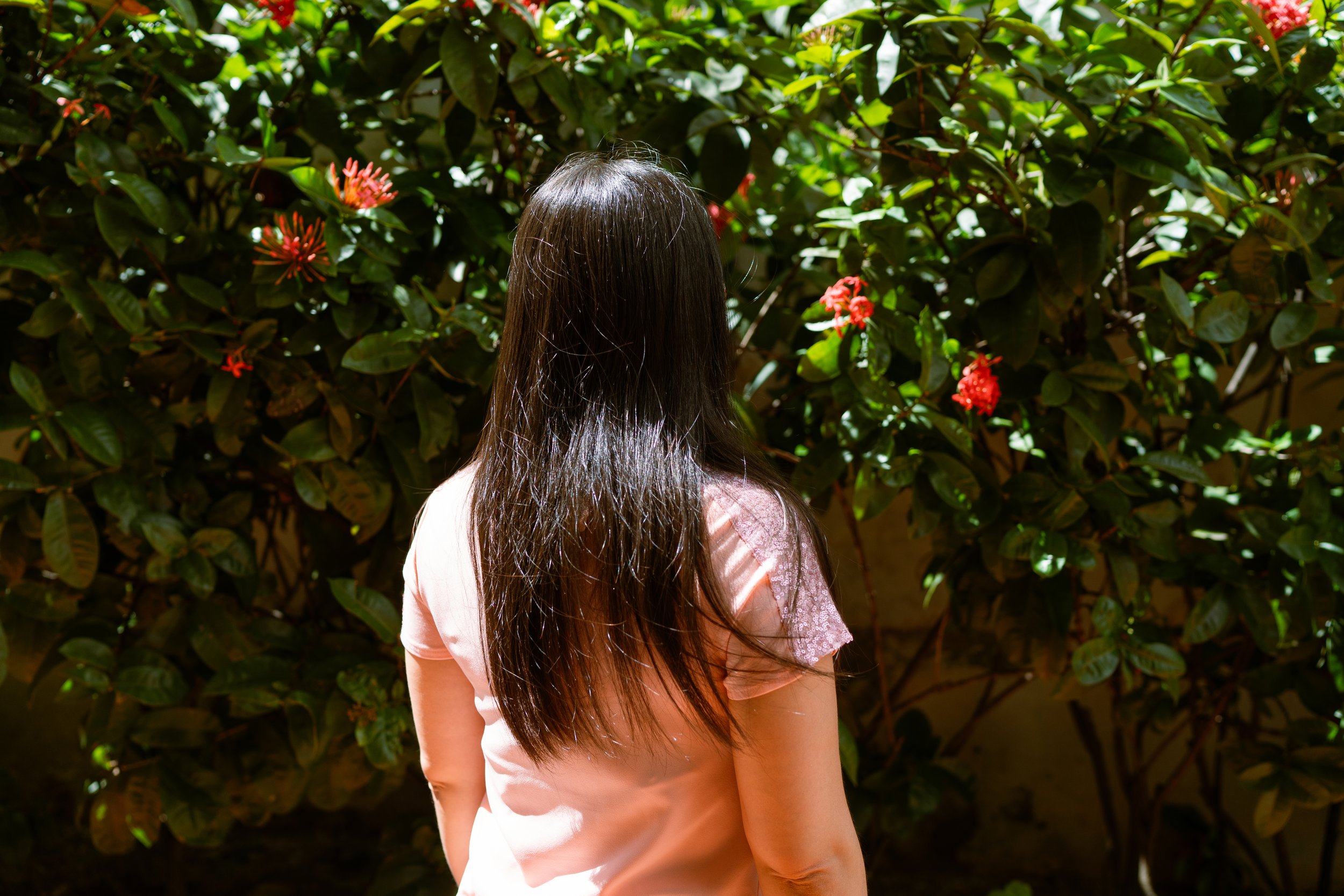
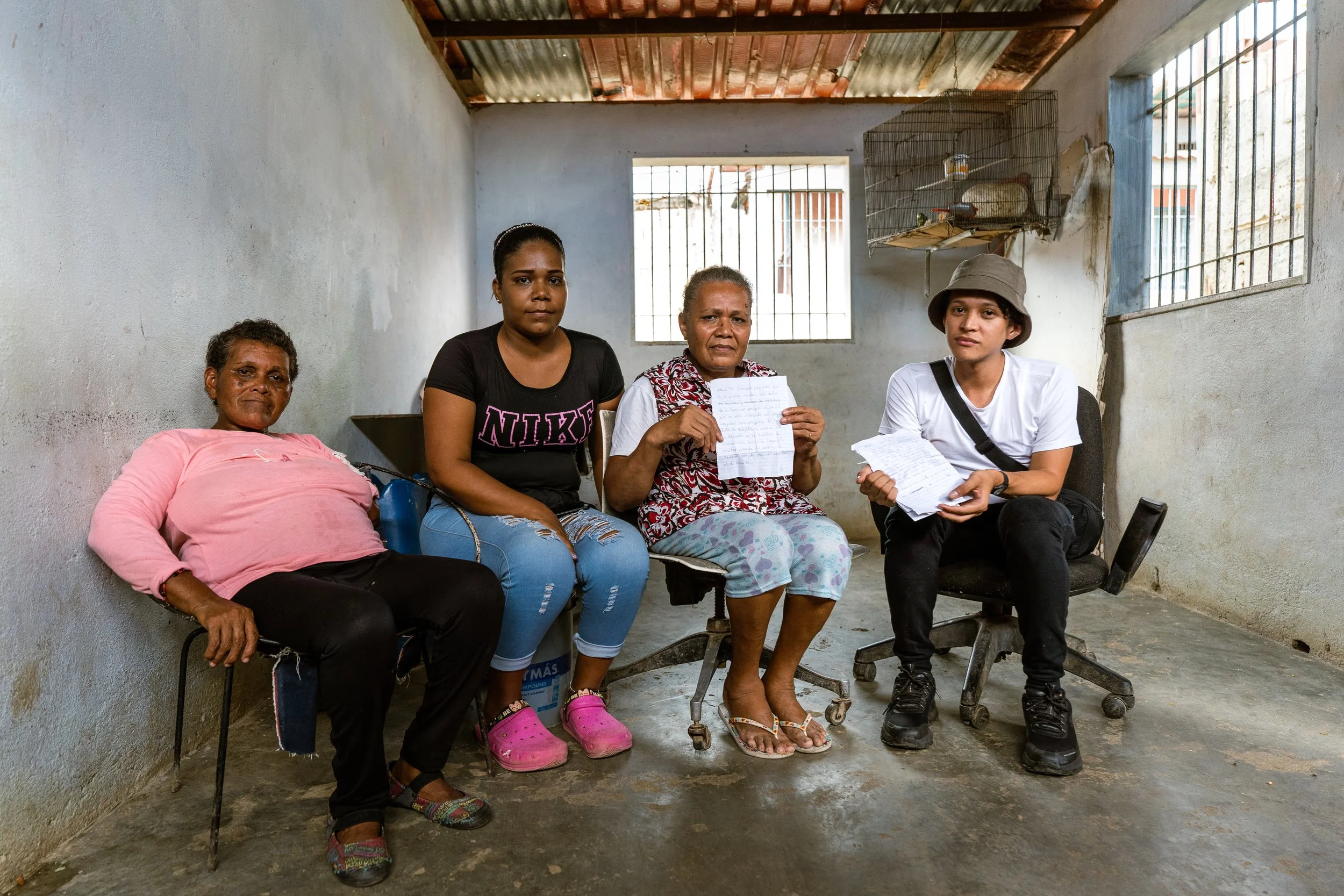
Femicide is not an isolated incident in Venezuela but rather an expression of a system that fails women. Every 34 hours, a woman in the country dies due to gender-based violence. The stories of Carla Ríos and Klaribel illustrate how dangerous life is for women in a country marked by machismo, corruption, and state indifference.



In the Grip of the Dictatorship
Published in SonntagsBlick, November 2024
PDF from print
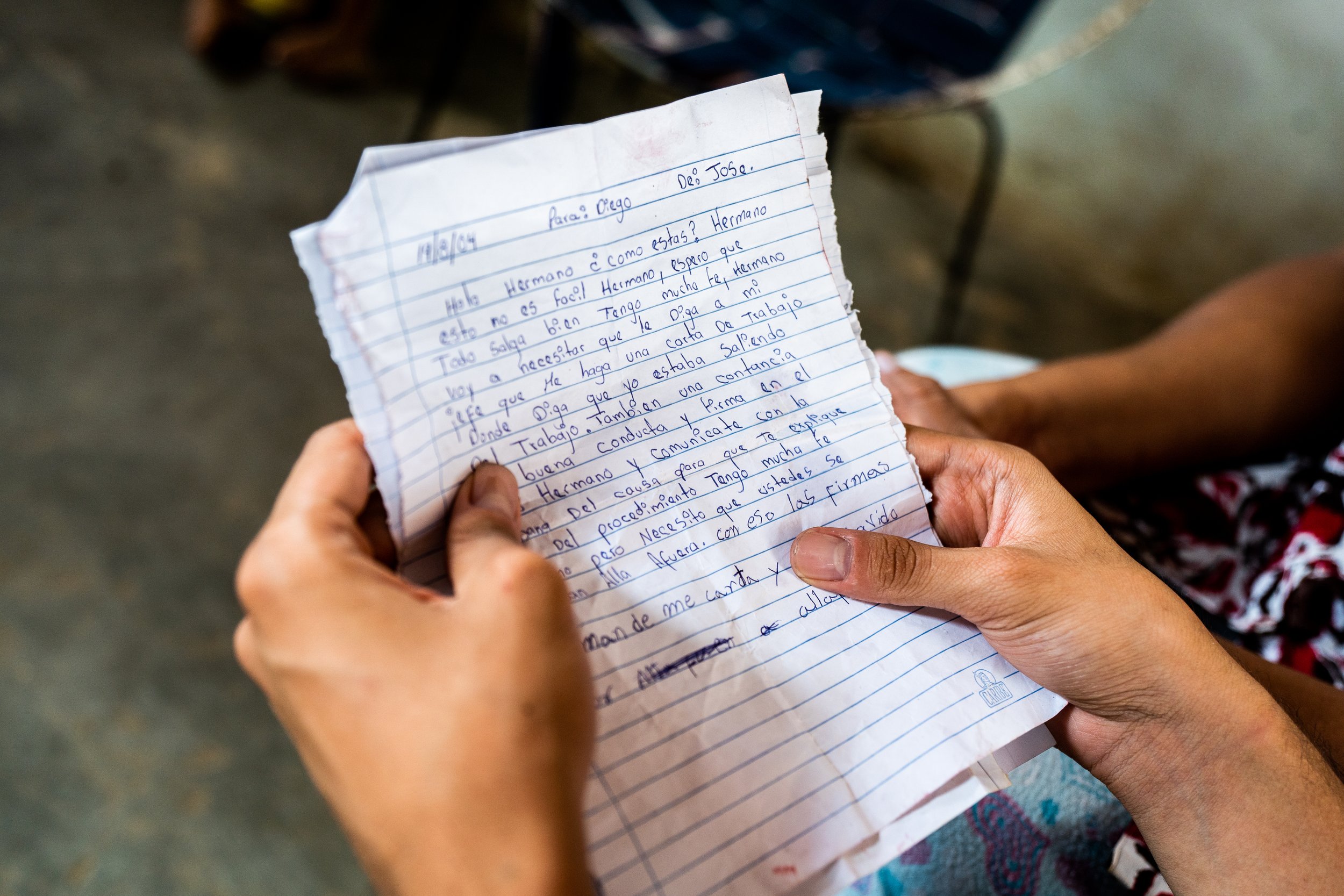
Caracas, Venezuela – Since the disputed elections in July 2024, Nicolás Maduro’s regime has tightened its grip with brutal force. More than 2,500 people have been arbitrarily arrested – among them over 100 minors. The wave of repression is sweeping across the country, silencing dissent and punishing even the innocent. One of them is 26-year-old José Gregorio Pérez Maita. He wasn’t protesting when they took him – he was simply walking down the street. That was July 29. He’s been behind bars ever since, still waiting for a hearing that never comes. “I want the world to know the truth about Venezuela – and what they’ve done to my brother,” says Diego, who stands outside the courthouse week after week with a photo of José in his hands. Others have been locked away for far longer. Josnars Baduel has spent over four years inside El Helicoide, the regime’s most feared prison – a place known for torture and indefinite detention. His sister Andreina continues to speak out, even as the government targets her family. Their father, Raúl Baduel – once a trusted ally of Hugo Chávez – was imprisoned for more than a decade and died in custody in 2021 after being denied medical care. “The repression has become systematic,” warns Lisette González of the human rights group Provea. “No one is safe anymore – not even children.” The recent arrest of opposition mayor Rafael Ramírez in Maracaibo sends a chilling message: even elected officials are now fair game. A new UN report paints a bleak picture – calling Venezuela’s human rights crisis one of the worst in the world today.




The Banana Doctor
Published on SwissInfo in March 2025
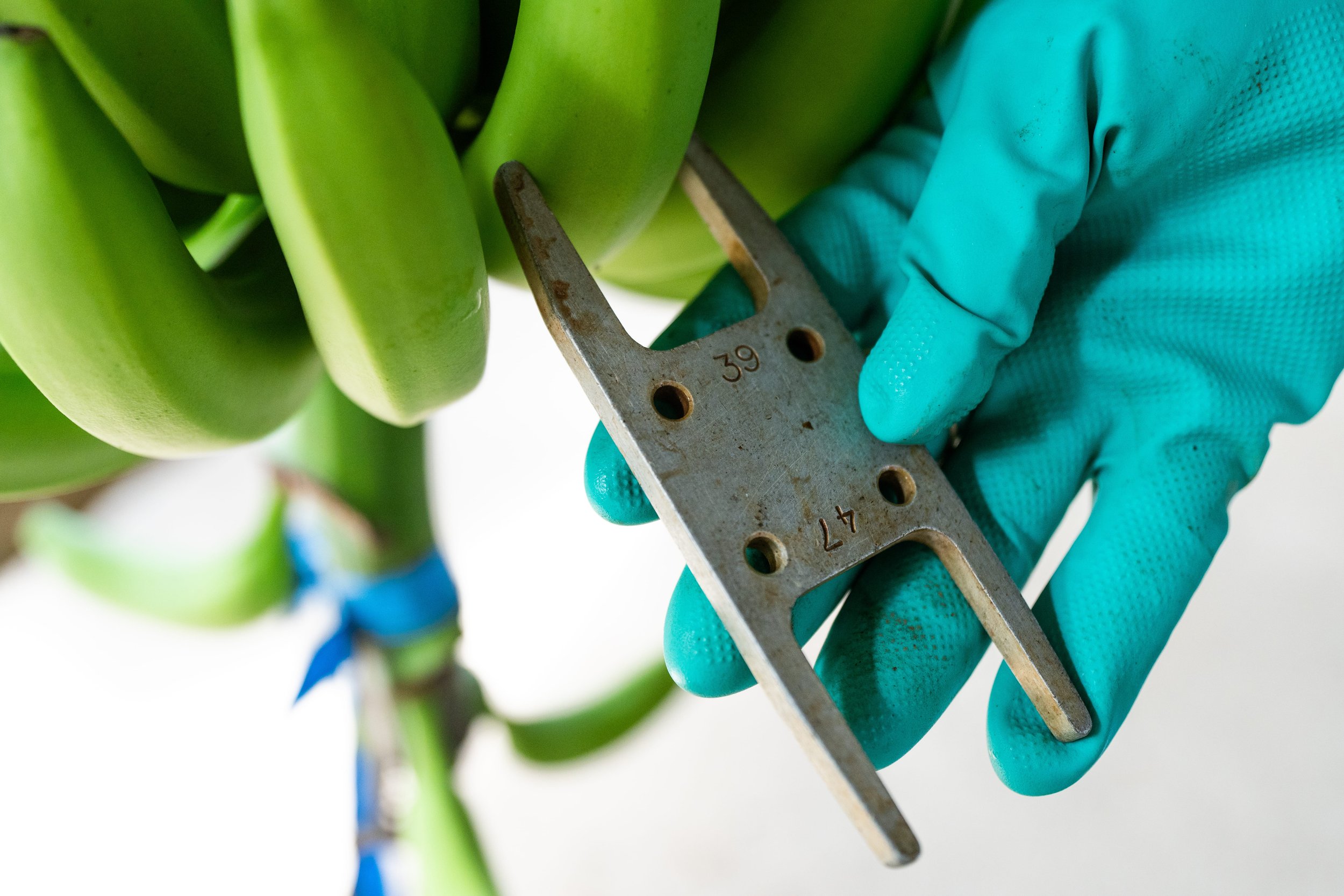
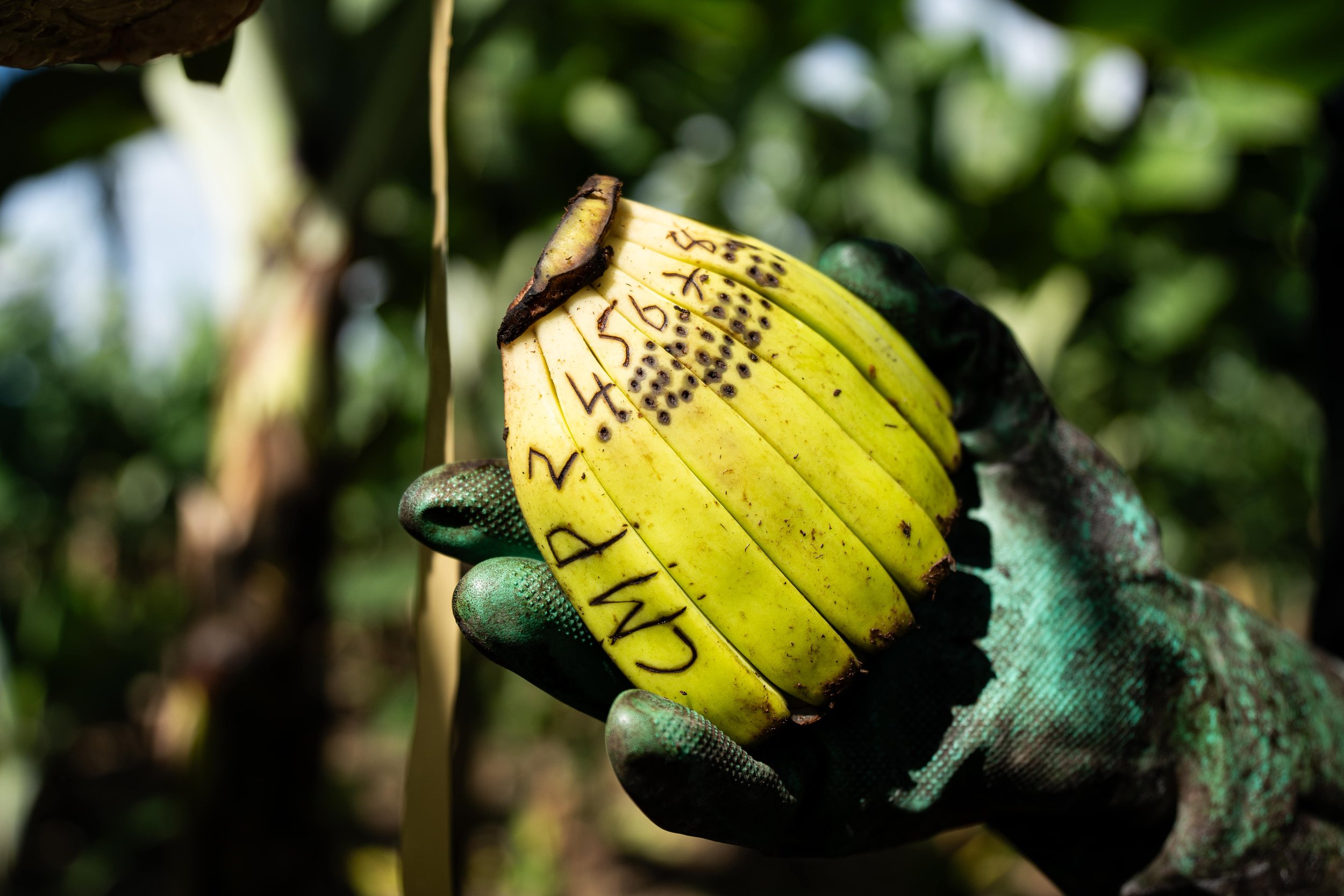
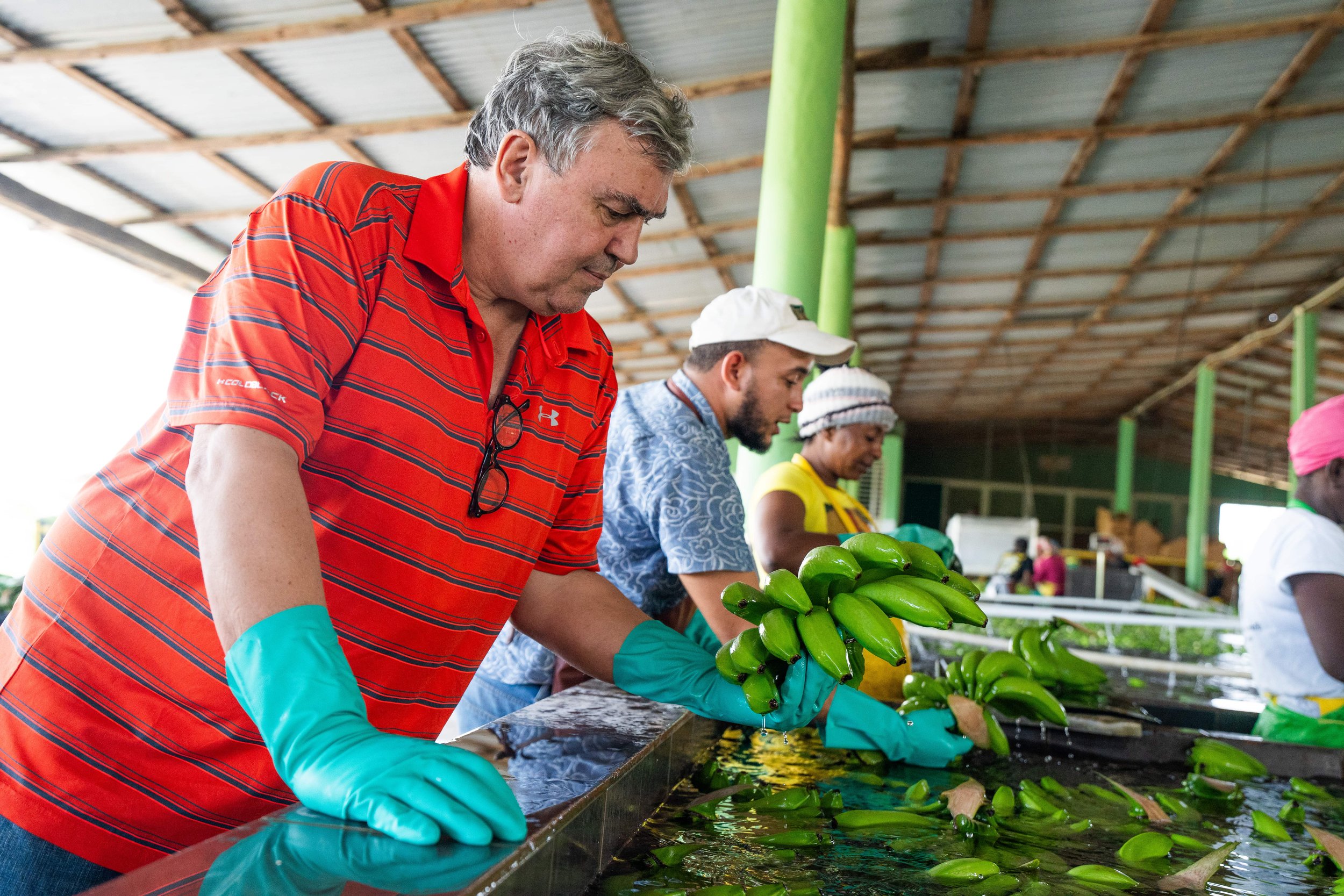
Karl Steiner swapped his doctor's coat for rubber boots. In the Dominican Republic, the Swiss farmer grows organic bananas and experiments with sustainable fish and mushroom projects. A portrait.



Insights from a Taxi Driver in San Pedro Sula, Honduras
Published in NZZ Folio, May 2025
PDF from Print
In this interview, the driver speaks about his daily life as a taxi driver in one of the world’s most dangerous cities — where extortion by gangs, targeted killings, and widespread police corruption are part of the harsh reality.

Maduro Is Gone, but Fear Remains
Published in SonntagsBlick, January 2026
PDF from Print
The fall of dictator Nicolás Maduro is welcomed by many of his fellow citizens, yet skepticism is stronger. Anxiety still grips the country, and meaningful change will require much more than his removal.
How Tourism is Shaping the Identity of Indigenous People
(unpublished)
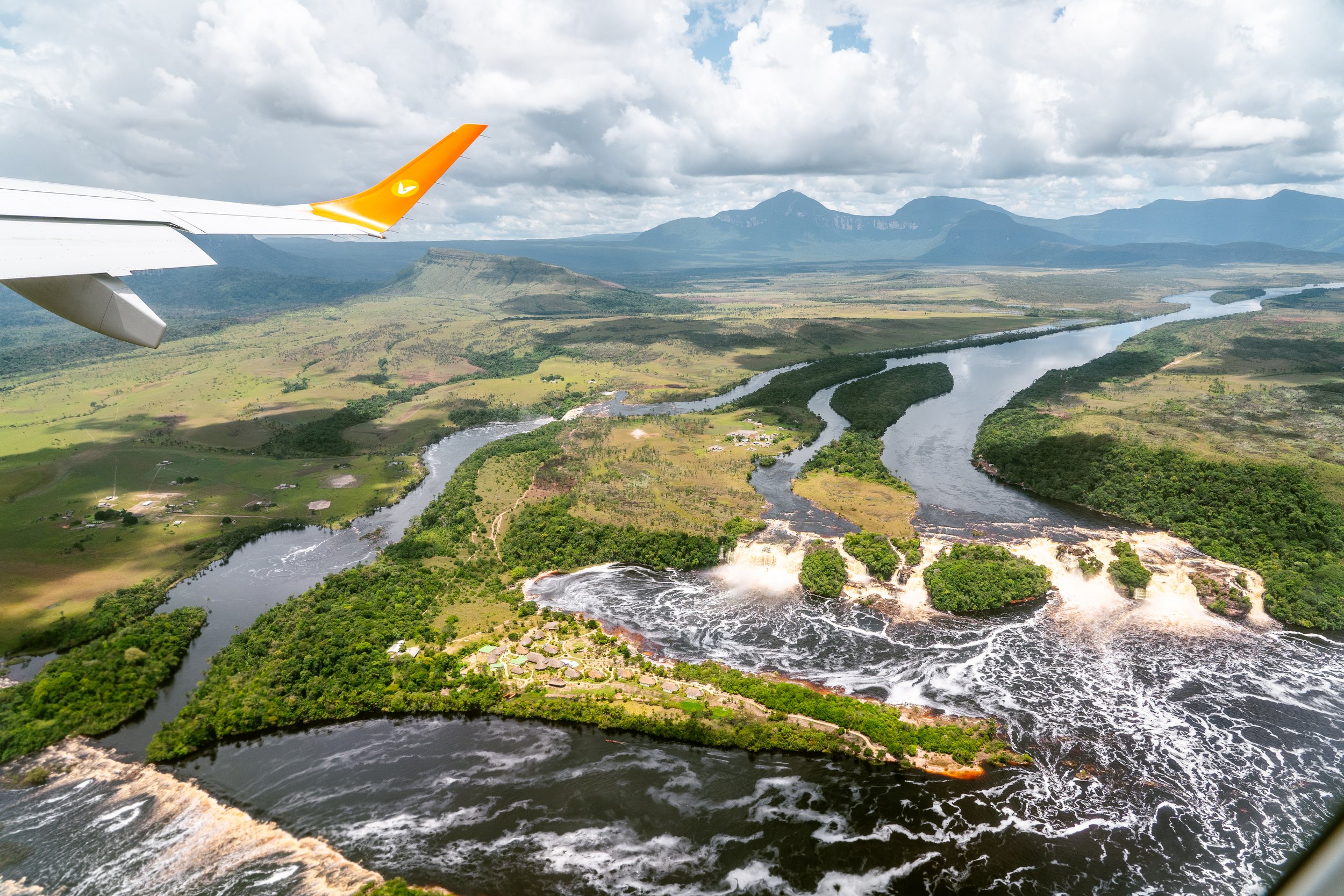
Canaima National Park in Venezuela is the spiritual homeland of the Pemón people. The Angel Falls, the world’s highest waterfall, and the majestic table mountains attract more and more visitors from around the world—putting increasing pressure on the indigenous culture and its traditions.
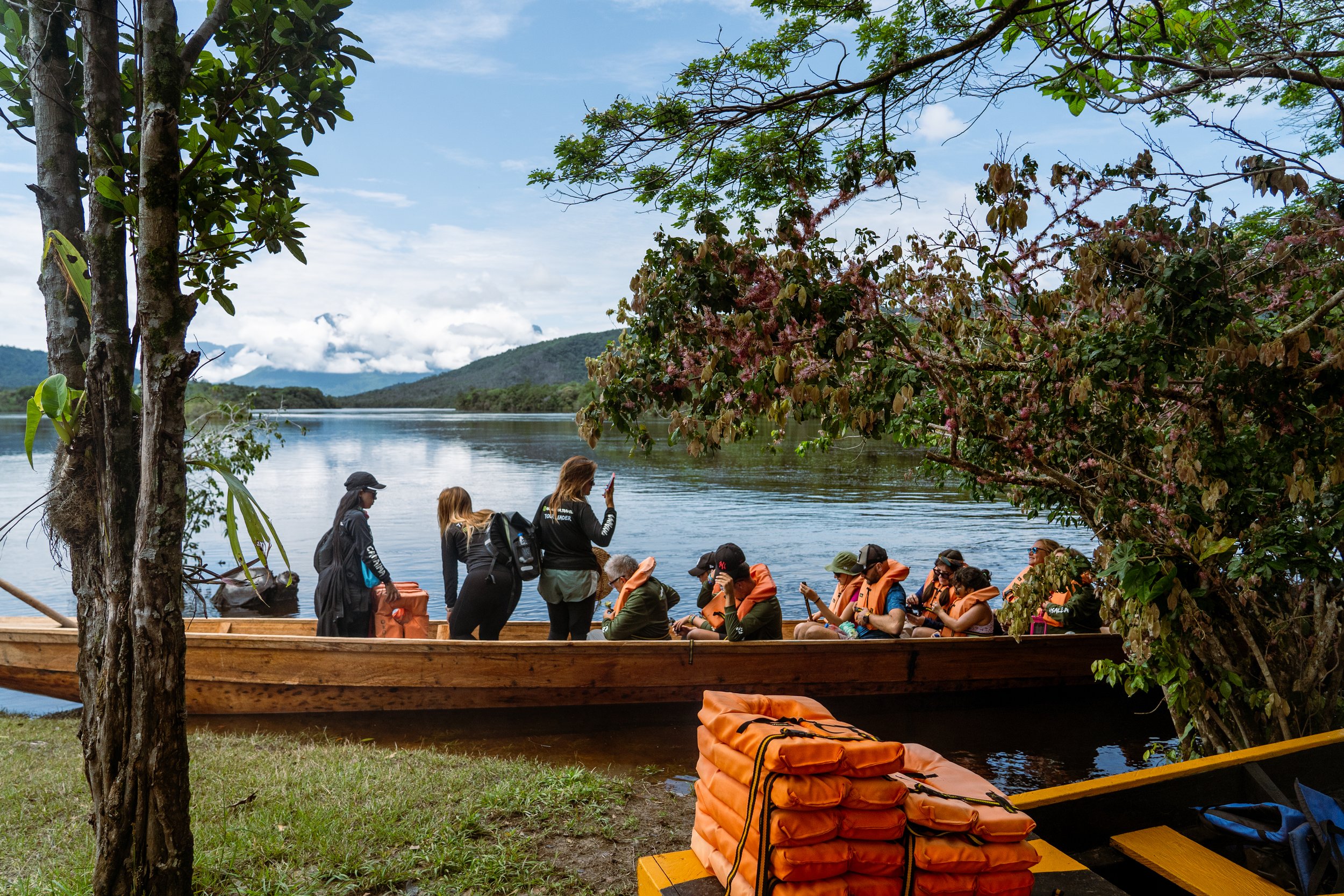
The clouds hang like a veil over the Tepuis—those ancient table mountains that rise majestically from the vast green expanse of Canaima National Park. A canoe, carved from a single tree trunk, glides along the Río Carrao. Inside, a group of tourists is accompanied by Kaikö, an indigenous tour guide. His gaze sweeps over the forest. "The spirits of nature are watching us," he whispers, pointing to the towering trees. For the Pemón, who have lived here for generations, this UNESCO World Heritage site on the border with Guyana and Brazil is more than just an impressive landscape; it is their home and a source of spiritual identity. Every river, every tree, and every rock is sacred to them. What is sacred to the Pemón is an attraction for tourists. While visitors take photos and seek adventure, the cultural heritage and identity of the Pemón are increasingly under threat.
With its ancient table mountains and the world's highest waterfall, Angel Falls, Canaima National Park is one of Venezuela’s top travel destinations. Despite the country’s severe political and economic crisis, the park attracts around 30,000 visitors annually, and the numbers are growing. New accommodations, known as posadas, are being built, and infrastructure is expanding. Tourism creates jobs and income, but it also introduces foreign values that threaten the traditional culture of the indigenous population.
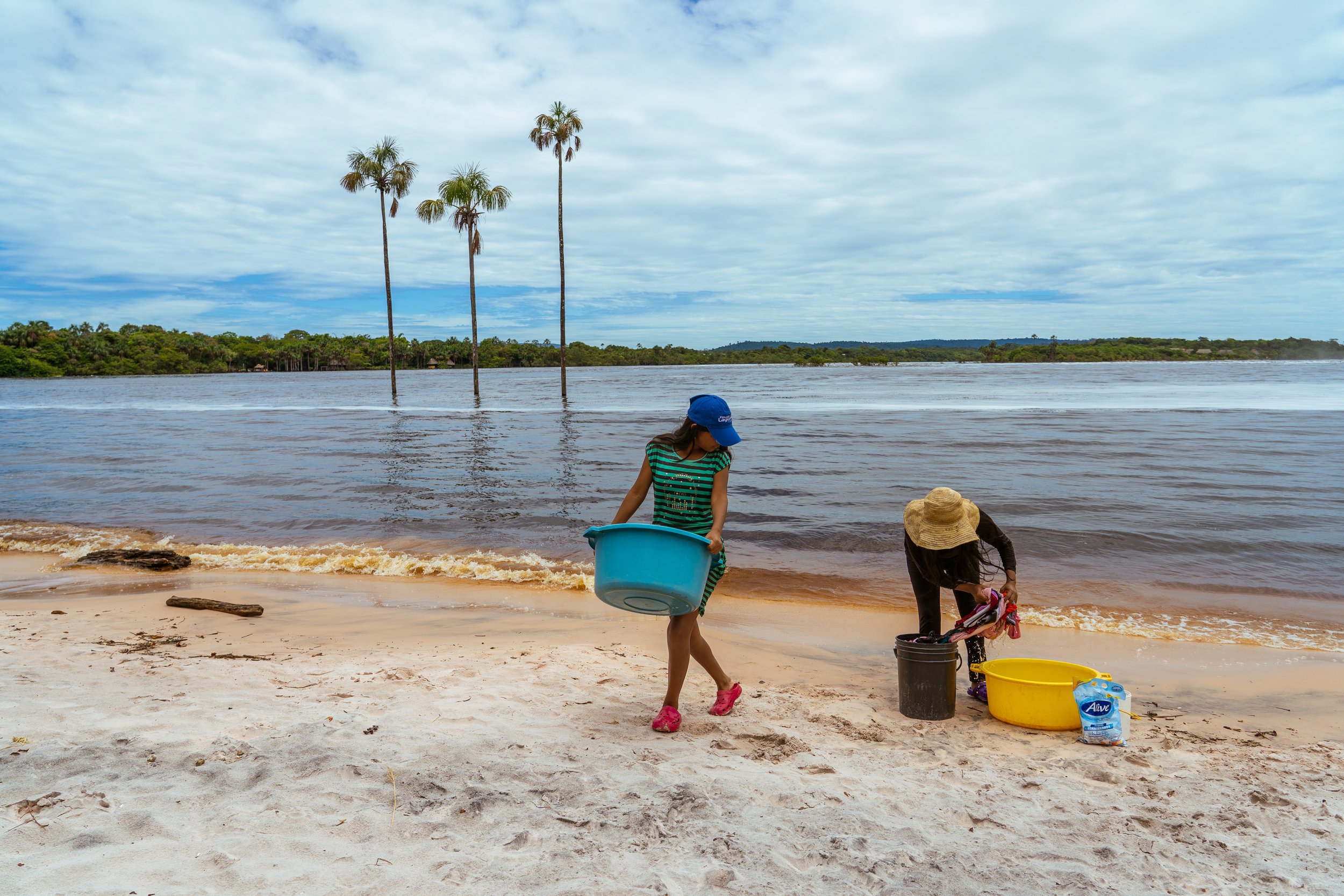
Kaikö has been guiding visitors through the park for over ten years. With visible sadness, he watches as the traditions of his community fade. "Many young people now work in tourism; they no longer have time for the old customs," he says, his gaze lost in the dense jungle. He recounts an old tradition: the Pemón once averted their eyes when near the Tepuis, as it was considered disrespectful to look directly at the ancient sandstone formations. "Today, hardly anyone follows this tradition," he says. The Western world and its economic opportunities have become too tempting. Kaikö’s words are reflected in a brief encounter. When the tourists’ boat stops at a small island, they meet a group of Pemón children. One boy immediately lowers his gaze, covering part of his face with his arm as he speaks to the foreigners. The others, however, look the visitors straight in the eye. Kaikö explains that in the past, children would always avert their eyes and hide their faces when speaking to tourists. "It was an important part of our upbringing," he says. "It was meant to show respect." Another value that is increasingly being lost.
Tourism as a Contested Source of Income
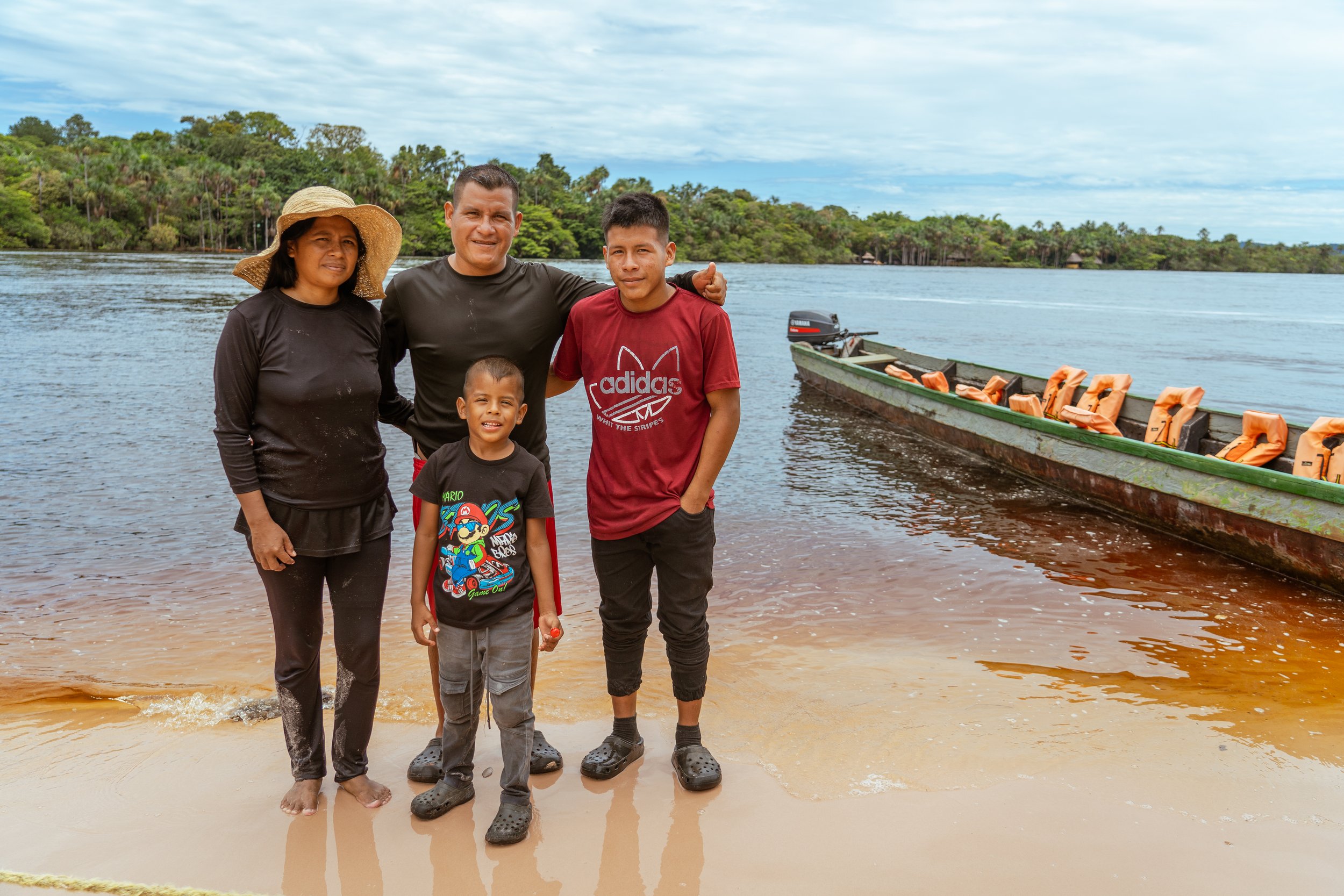
For many residents of Canaima, tourism has long become the primary source of income. The earnings far surpass traditional livelihoods such as fishing, farming, and gathering forest fruits, which sustained their families for generations. Juan (38) also made the switch. Until 2012, he made a living selling fish, but when he saw how much more his friends earned in tourism, he decided to change careers. "Today, I earn nearly ten times what I used to," he says, recalling the days when his income was barely enough to support his family. But competition in the tourism sector is growing, and everyone is trying to secure their share of visitors. With his savings, Juan hopes to build a larger boat soon, allowing him to transport even more tourists.



"Let My Drum and My Bambú Roar Like a Young Tiger"
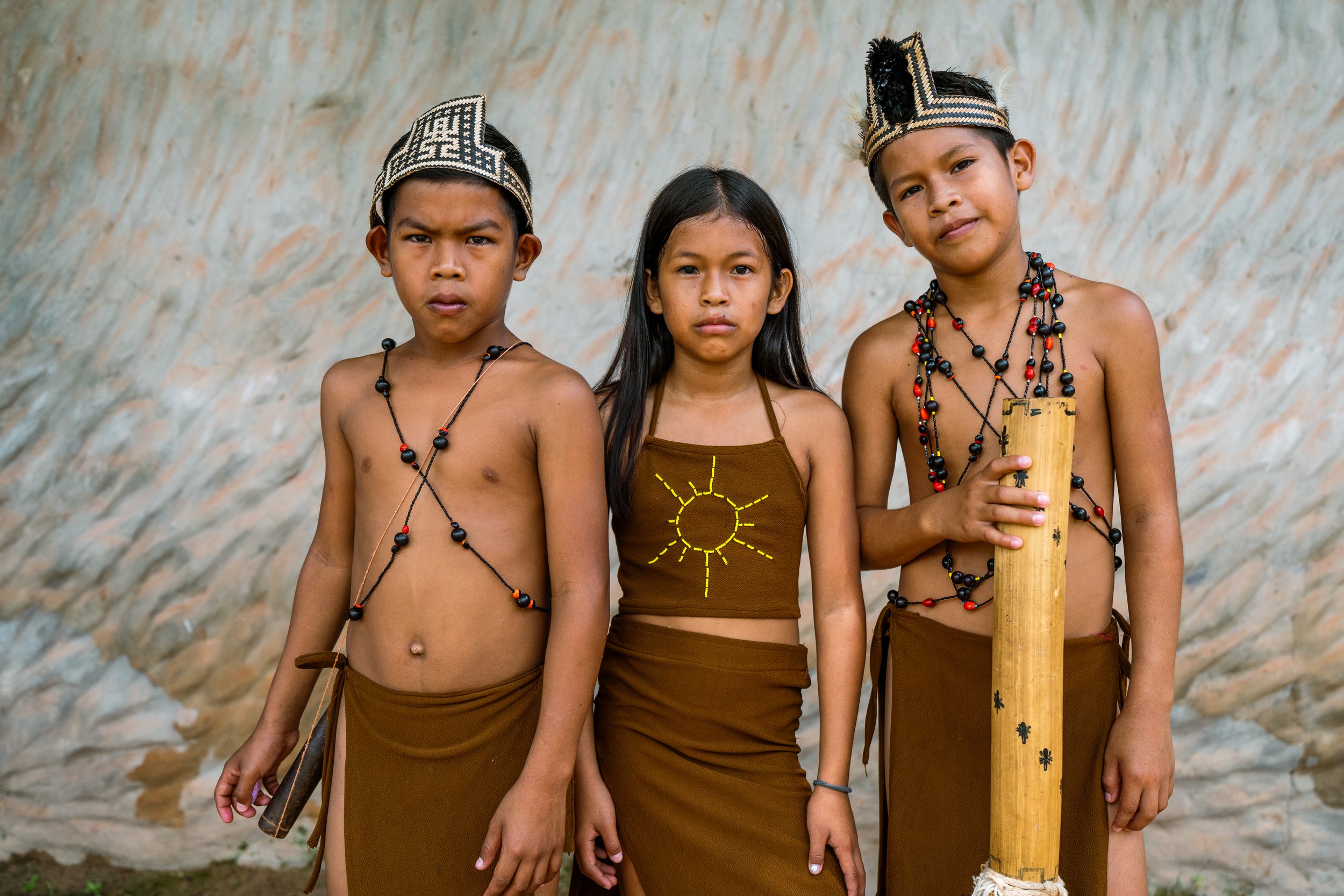
For many, tourism has become a means of survival—but it is changing more than just their income. Rosa Betis, cultural coordinator of the Pemón community, sees daily how deeply it affects their traditions. To help preserve them, the former teacher organizes regular dance and music evenings for tourists, keeping Pemón traditions alive. She is also actively engaged in fighting other threats to the national park, such as illegal mining activities. Shortly after sunset, children in the village’s community hall perform a traditional dance, wearing feathered headdresses and wooden necklaces. They sing ancient Pemón songs, accompanied by handmade instruments like the Baronga—a wooden percussion instrument. "Kaikuse mürepe etununkö uvayiri kamayiri," they sing, which translates to, "Let my drum and my Bambú roar like a young tiger." The Bambú is a percussion instrument made from bamboo.
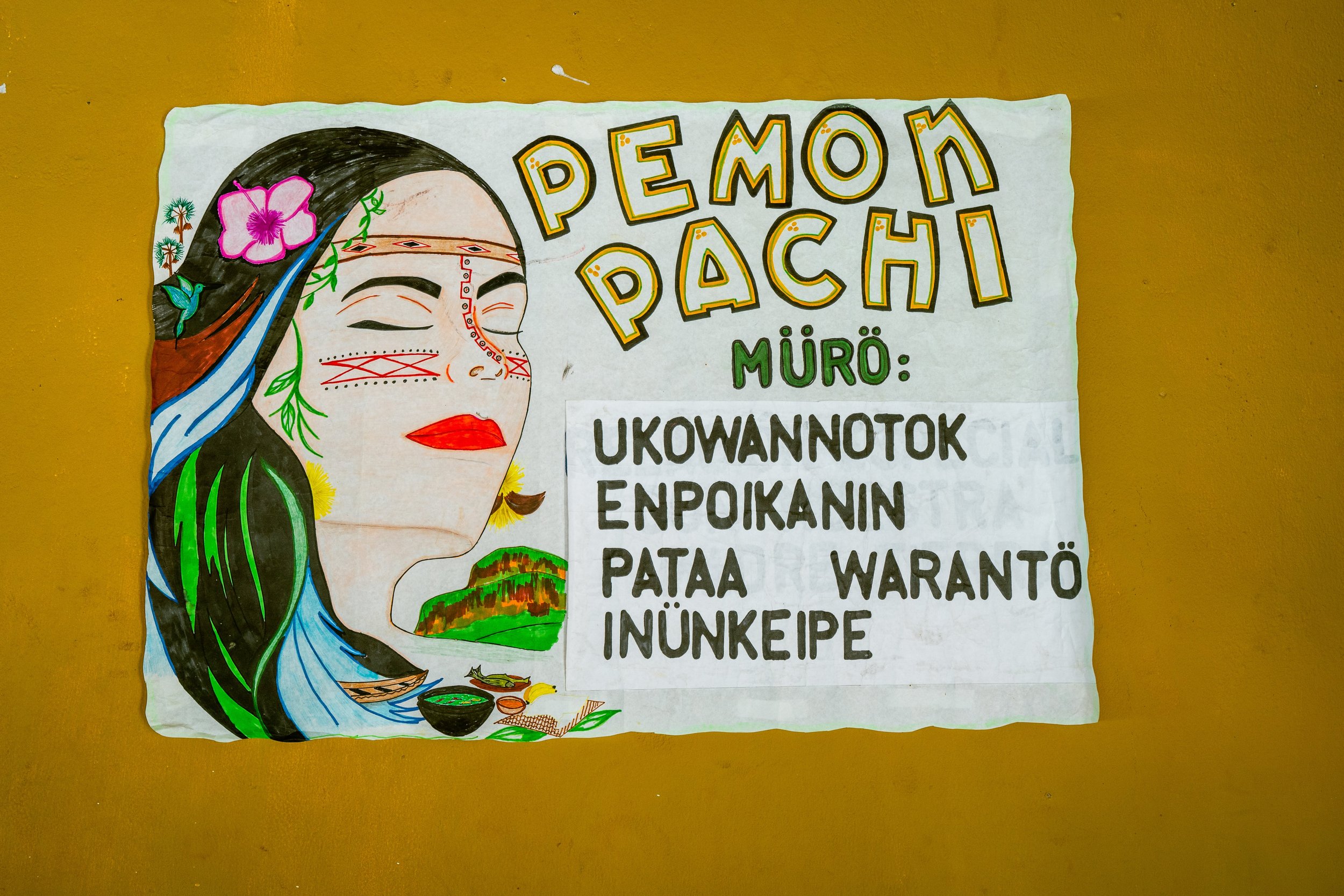
For tourists, it may be an entertaining spectacle, but for Rosa, it is about much more than just a performance. "It is our duty to preserve these traditions," she says firmly, watching the dancing children. "If we do nothing, our language and culture could disappear in just a few decades." The growing alienation is something Rosa witnesses every day. Young people prefer to move to the cities or feel ashamed to speak their native language. "Many think it’s backward to use our language," she says. But with every lost word, valuable knowledge about nature and spirituality—knowledge that has shaped Pemón life for generations—is also disappearing.
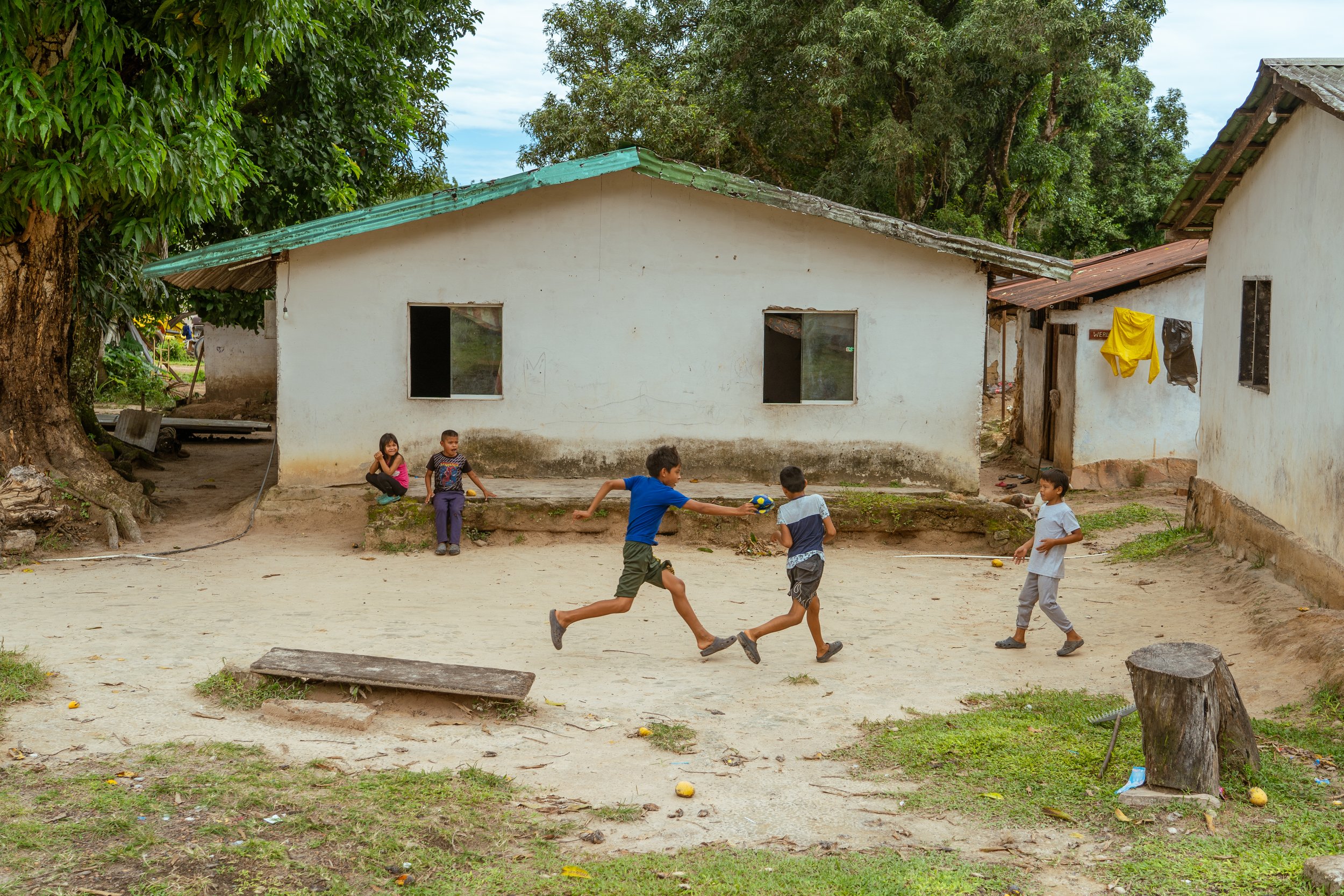
This struggle is particularly evident among the younger generation. For Pemón children and teenagers, it is becoming increasingly difficult to bridge the gap between old traditions and the modern world. They grow up in a cultural tension: on one hand, they are proud of their heritage, passed down from their grandparents; on the other, they are drawn to the stories tourists tell about the exciting world beyond Canaima. "It’s nice here," says Santiago (9) after his performance, "but sometimes it gets boring." He dreams of visiting places like Margarita Island or Mérida—far from the isolation of his hometown. Santiago and his friends Valerie (9) and Christofer (11) admit they only partially understand the Pemón language. Spanish dominates their daily lives—at school and when interacting with tourists.
Kaikö, Christofer’s uncle, is concerned about their fading ability to speak Kamarakoto, their dialect. "It’s crucial that children learn our language from an early age," he insists. He worries when he sees his siblings speaking Spanish to their children. "I argue with them about it," he admits. For him, the native language is more than just communication—it is the key to cultural knowledge and heritage. Spanish and English may be important for school, but at home, he insists, only Pemón should be spoken.
"A Pemón Never Goes Hungry"
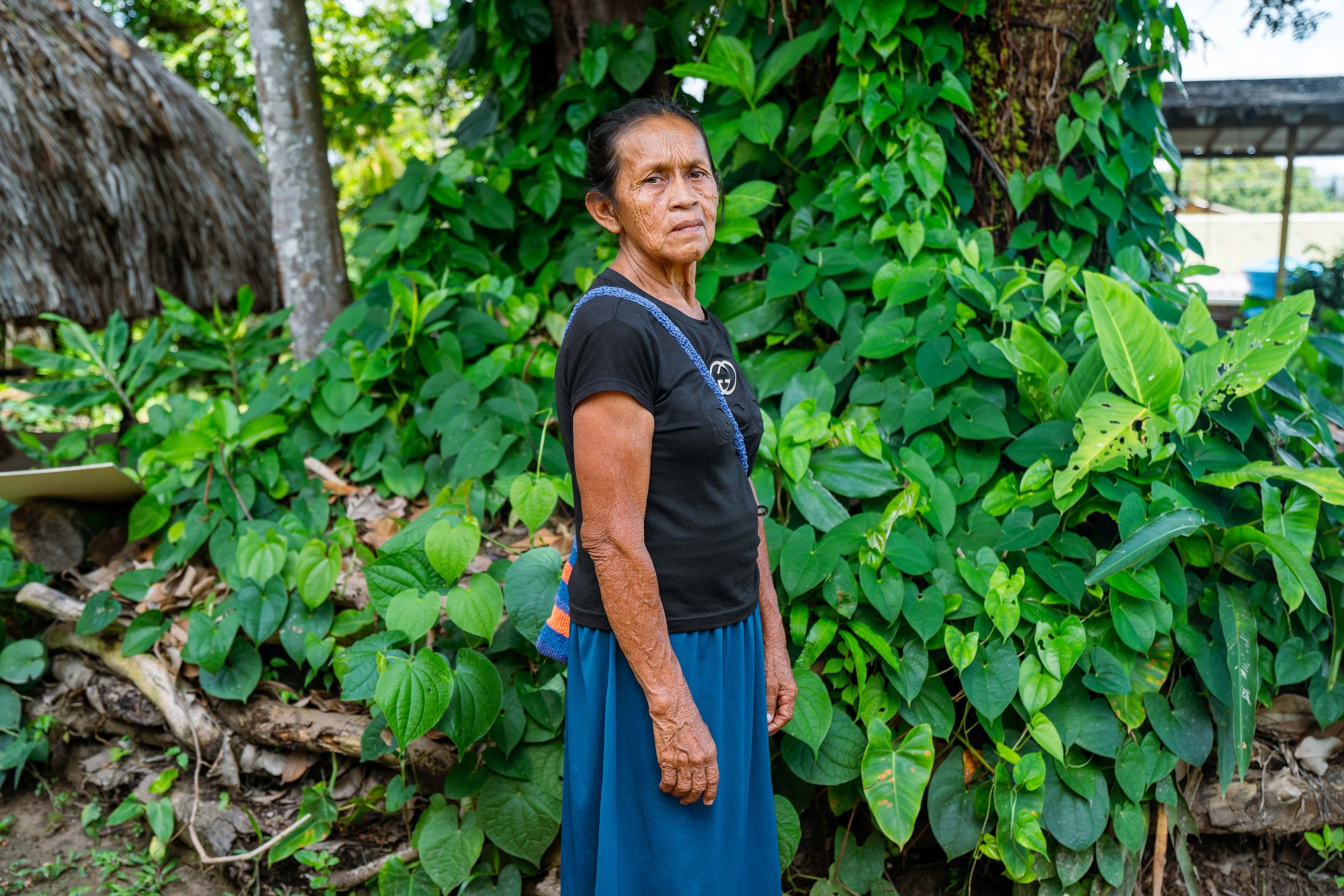
On the International Day of Indigenous Women, Rosa Betis organizes a gathering to celebrate the strength and role of Pemón women. Women from the region, including Carmen (64), have gathered in the village hall to listen to speeches about their culture and rights. Carmen speaks only Pemón and lives by the traditional values of her community. In her remote village of Kamarata, six hours by boat from Canaima, she still tends her Conuco—a small plot where she grows yuca, bananas, and sugarcane, as generations before her did. But she watches with concern as Pemón culture changes. "A Pemón never goes hungry," she says, "because we have learned to provide for ourselves."
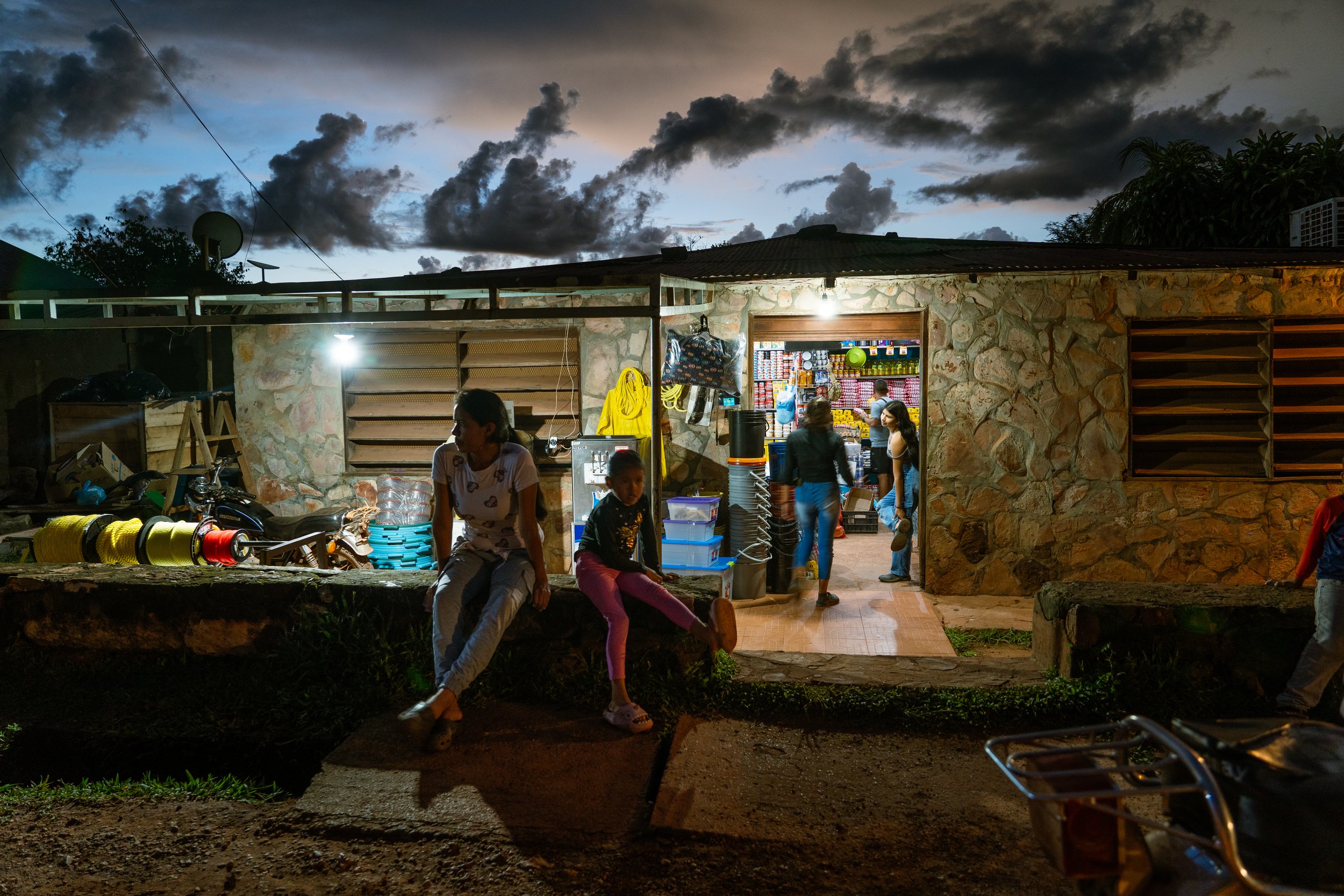
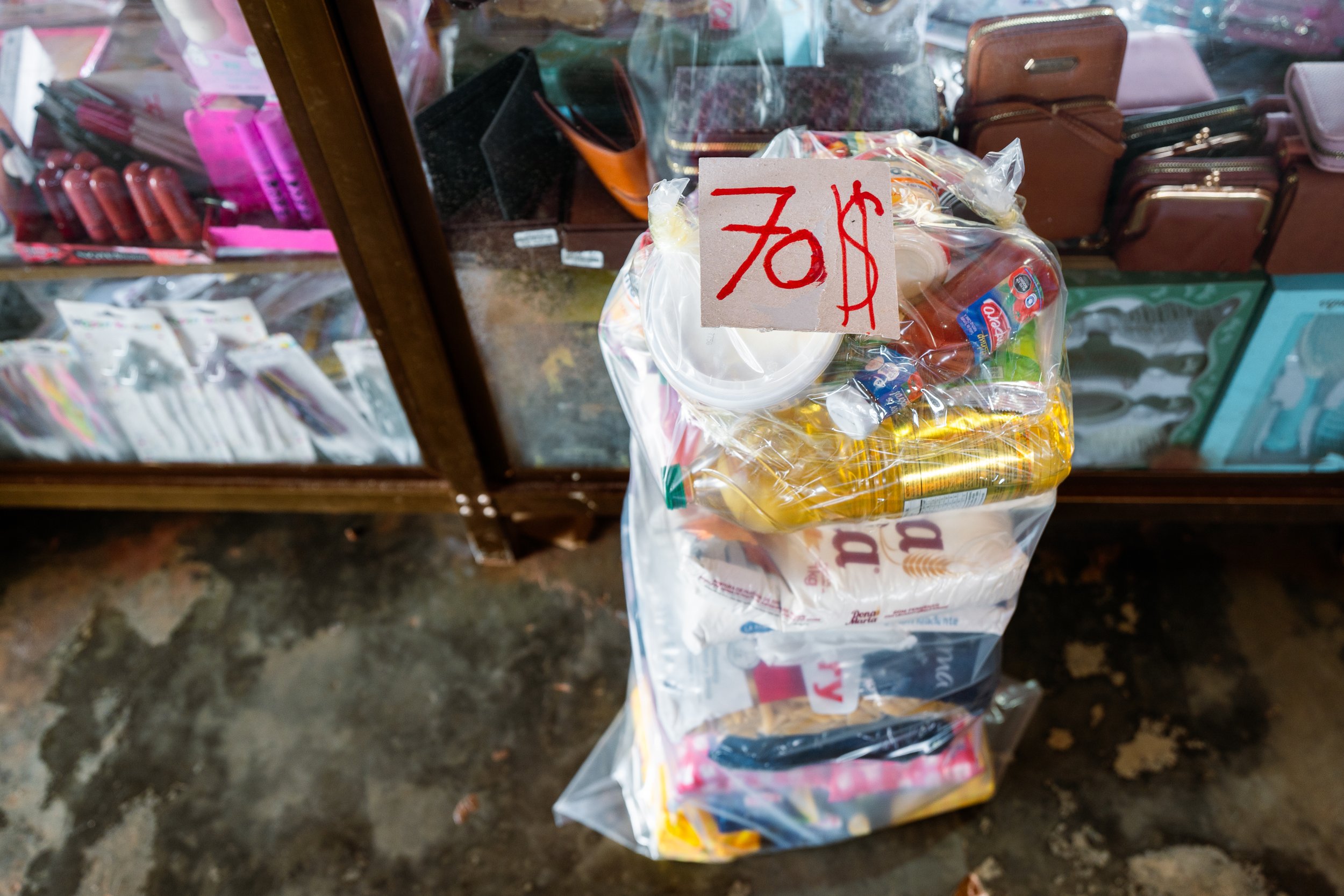
However, today, more and more food is bought from local stores, where imported products like Nutella and processed goods are becoming increasingly common. Carmen also criticizes the shift in education. "Our traditional education system isn’t about learning in four walls with a teacher," she explains. Pemón children traditionally learned through direct connection with nature. But as national schooling becomes dominant and Spanish takes over as the language of instruction, this form of education is disappearing.
Away from the tourists, Kaikö seeks solitude in Canaima National Park to reconnect with his roots. On this day, he sits on a rock atop Kuravaina-Tepui. The wind brushes through the grass, and the Tepuis stand in the distance like silent guardians. "Do you hear that?" he whispers, listening intently. A sound rises from the valley below, resembling a bird’s call. But Kaikö shakes his head. "That’s not a bird," he says quietly. "That’s Imaikoi, the Holy Spirit of the mountain." Despite the challenges they face, the Pemón draw strength from their deep faith—both in God and in the spirits that surround them. It is this spiritual connection that gives them hope for a future where their culture, rituals, and sacred sites will endure.
In Search of the World’s Finest Cocoa
(unpublished)
Farfrom the major trade routes, the village of Chuao on Venezuela’s Caribbean coast preserves the tradition of Criollo cocoa - one of the rarest and most coveted cocoa varieties in the world. A visit to the heart of Venezuela’s cocoa culture reveals how tradition, nature, and passion intertwine - and how fragile this balance is.


Accessible only by boat or after hours of hiking, Chuao feels like a place untouched by time. The air is filled with birdsong and the soft rustling of the forest, while bright red and yellow cocoa pods stand out against the dense green foliage. Women with woven baskets carefully harvest the ripe fruit, cutting them with machetes and stacking them on the ground.
While the robust Forastero variety, known for its neutral flavor and resilience, dominates the global cocoa market, Chuao has preserved the centuries-old tradition of growing Criollo cocoa. This rare, "native" variety grows in only a few places worldwide and accounts for just 5% of the global cocoa harvest. With its mild taste and rich aroma profile, Criollo is considered one of the finest cocoa varieties. "Every bean we harvest tells a piece of history," says Irene Liendo, president of the Chuao cooperative Empresa Campesina de Chuao, pointing to the plants that form the foundation of the village’s cocoa culture.
"Can you taste the fruit?" Liendo asks, opening a cocoa pod and offering a piece of the pulp. The flavor is sweet and complex, with notes of mango and a hint of soursop. Unlike industrial monoculture farms, cocoa in Chuao grows among fruit trees, creating a natural ecosystem that enriches the soil and gives Criollo cocoa its distinctive aroma.


Equality at the Core
It takes five to seven years for a cocoa tree to bear its first fruit. Each pod is carefully hand-harvested, the beans extracted from the pulp, and then fermented in wooden vats under banana leaves—a process that has remained unchanged in Chuao for over 300 years. Liendo, the cooperative’s president, also works in the fields. "Everyone contributes," she emphasizes.
The cooperative operates on a sustainable and egalitarian model. Leadership positions are reelected every two years, and wages are equal for all members—whether they work in the fields or handle bookkeeping. Tasks such as harvesting, fermentation, drying, and sorting are rotated among members, ensuring a fair distribution of work and strengthening the sense of community.

After fermentation, the beans are sun-dried for several days in front of the village church—a scene emblematic of Chuao. The drying process takes place in different phases: from rough surfaces where the beans are first spread out to smooth concrete slabs where they complete their final resting stage.
"When you do it with love, it turns out well," says Mariache, who comes from a long family tradition of cocoa farming. She is the third generation in her family to work with cocoa in Chuao and hopes that her grandchildren will one day carry on the tradition. "It’s more than work—it’s our history."

Cocoa as Identity
Criollo cocoa from Chuao enjoys worldwide recognition, yet with an annual production of just 20 tons, it remains an exclusive commodity. It holds a protected designation of origin, ensuring its authenticity. "We produce small quantities, but quality is what matters," says Alcide Herrera, son of the first president of the local cooperative. This allows Chuao cocoa to be marketed at a premium price.
For the people of Chuao, cocoa is more than an agricultural product—it represents their identity. "Many say the secret of Chuao is the soil. I believe it also has a lot to do with our craftsmanship," Herrera explains. "Cocoa is our pride, our history, and our future." Even during colonial times, this exceptional cocoa was highly valued. Herrera calls it "the best in the world."
He recalls stories from his father about the days when cocoa was Venezuela’s most important export. However, with the rise of the oil industry, cocoa production was neglected, and many plantations were abandoned. Today, the cooperative keeps the tradition alive, continuing to work by hand using traditional methods. "We can’t process cocoa any other way because its quality is unique and deeply rooted in our history," says Herrera. All of Chuao’s cocoa is exported to a Japanese company, which distributes it to chocolatiers in Europe, Japan, and the United States.

Challenges of Change
The community knows its heritage is at risk. Climate change is leading to an increase in empty or moldy beans, while economic instability makes production more difficult. "We work with what nature gives us—without chemicals, without large machines—but that also makes us vulnerable," explains Herrera. There is also the constant risk that lower-quality cocoa could be mixed with Chuao’s, potentially damaging its reputation.
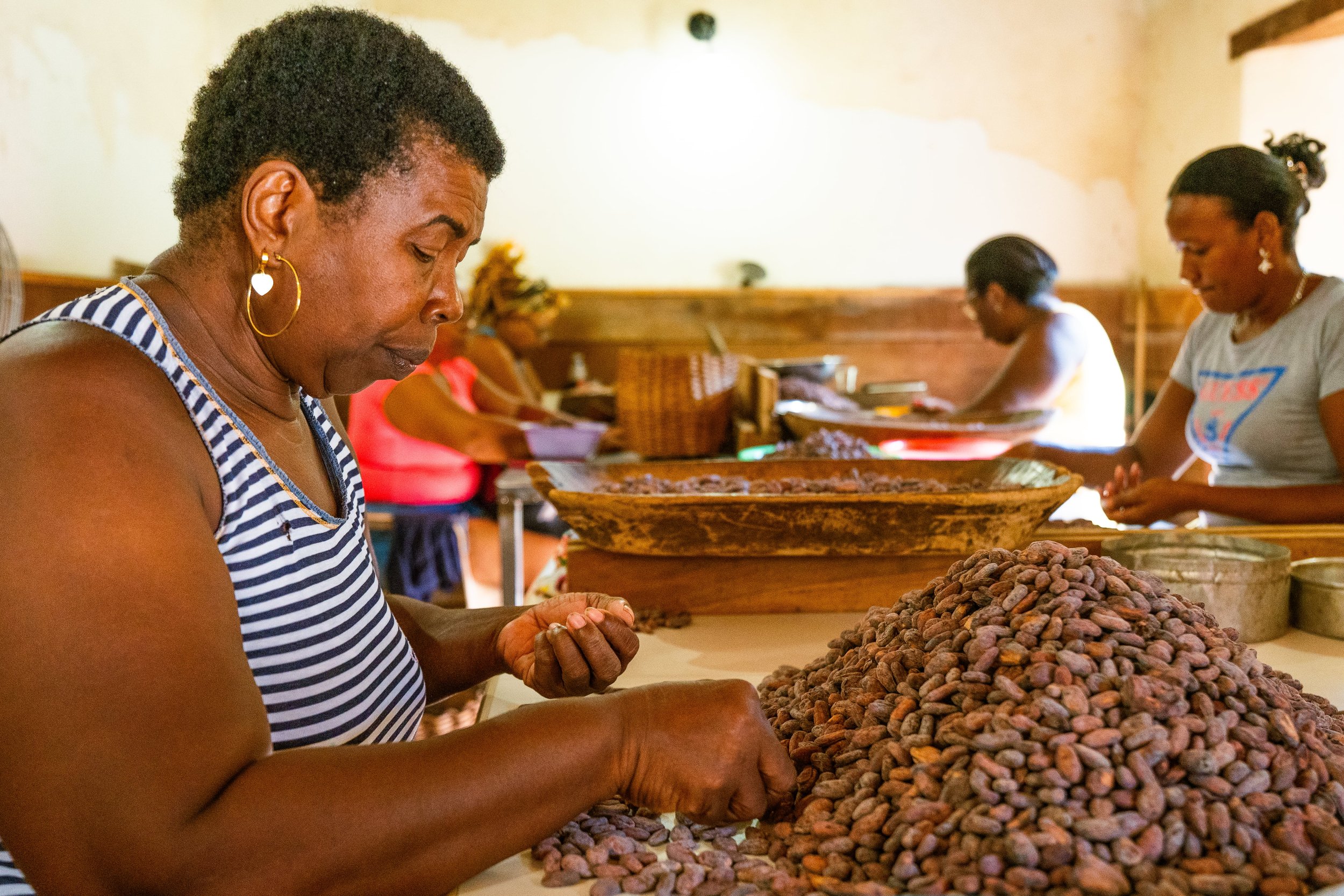
Leyda Lavera, who has worked in the cooperative for 20 years, sits at a plastic table, inspecting each bean. With a trained eye, she points to a bean with a white discoloration. "These defects were rare before, but we’re seeing them more often now." Excessive rain causes white spots on the beans, while hot summers produce empty shells—both of which reduce the already limited yield. Sorting out defective beans is a meticulous process, but the women of the cooperative know that quality is their greatest asset.

Without the Recognition It Deserves
"Venezuela has more potential than any other country," says Sander Koenen, a Dutch chocolatier who has lived in Caracas for over twenty years and runs a chocolate workshop. While countries like Ecuador have modernized their cocoa production and successfully marketed it worldwide, Venezuela lags behind. "It’s a shame that other countries have already claimed the title of the world’s best cocoa and taken all the credit—when, in reality, it all started here."
Koenen is passionate about Venezuela’s extraordinary cocoa diversity. "There are over 45 varieties of native cocoa beans here—a treasure that creates chocolates bursting with flavor." Yet, he worries about the government’s neglect of agriculture and growing competition from abroad. "If Venezuela doesn’t take advantage of this potential, it will continue to fall behind countries like Ecuador and never receive the recognition it deserves," he warns. He compares the situation to Colombia’s coffee industry: "A century ago, Venezuela was known for the best coffee. But Colombia took the plants, adapted them, and built a global brand. The same could happen to our cocoa."
He highlights how Ecuador has successfully marketed its cocoa as the best in the world while Venezuela struggles to keep up. In his workshop, Koenen occasionally works with Chuao’s exclusive cocoa, creating chocolate bars, cakes, and pralines with flavors like "Rhum Orange" and "Spicy Mix." He explains that his recipes are inspired by childhood memories and family traditions. His machines date back to his grandfather, who played a role in shaping Dutch chocolate culture.
Koenen firmly believes that quality is the key to the future of Venezuelan cocoa. "People need to learn how to maximize the potential of their crops to preserve and guarantee this quality." As he carefully inspects freshly molded chocolates, it becomes clear that his work is not just about craftsmanship but also a deep conviction in Venezuela’s untapped potential.
